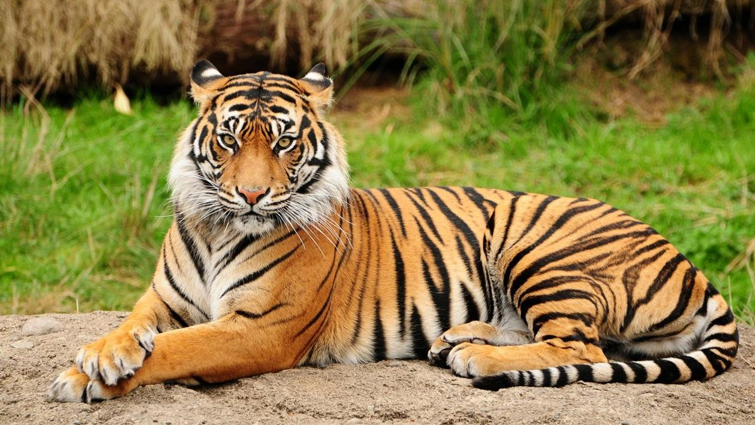
I still remember my first close encounter with a tiger during a safari in India’s Ranthambore National Park a few years back. There I was, bumping along in an open jeep at dawn, when this massive Bengal tiger stepped out from the tall grass, his amber eyes locking onto ours like he owned the place—which he pretty much did. It was one of those moments that sticks with you, a raw reminder of nature’s power and beauty. Tigers have captivated humans for centuries, from ancient myths to modern conservation battles. In this deep dive, we’ll explore 10 fascinating facts about these majestic creatures, blending science, stories, and a touch of wonder to bring them alive. Whether you’re a wildlife enthusiast or just curious, stick around— you might find yourself rooting for their survival as much as I do.
Fact 1: Tigers Are the Largest Wild Cats on Earth
Picture a cat that’s bigger than your average refrigerator— that’s a tiger for you. Adult males can tip the scales at up to 660 pounds and stretch over 10 feet long from nose to tail, dwarfing even lions in sheer bulk. These giants roam Asia’s forests, using their size to dominate as apex predators. It’s no wonder they’ve inspired awe and fear in equal measure throughout history.
Comparing Tiger Sizes Across Subspecies
Tigers aren’t one-size-fits-all; their builds vary by region, adapting to local climates and prey. For instance, Siberian tigers bulk up for cold winters, while Sumatran ones stay sleeker in dense jungles. This diversity highlights how evolution fine-tunes survival.
| Subspecies | Average Male Weight | Habitat | Status |
|---|---|---|---|
| Bengal Tiger | 440-570 lbs | India, Bangladesh | Endangered |
| Siberian Tiger | 400-660 lbs | Russia, China | Endangered |
| Sumatran Tiger | 220-310 lbs | Indonesia | Critically Endangered |
| Indochinese Tiger | 330-430 lbs | Southeast Asia | Endangered |
Pros and Cons of Being the Biggest Cat
On the plus side, size means tigers can take down massive prey like water buffalo, giving them a food edge in tough environments. But it also demands more territory and energy, making them vulnerable when habitats shrink— a real con in today’s fragmented world.
Fact 2: No Two Tigers Have the Same Stripes
Just like our fingerprints, a tiger’s stripes are utterly unique, serving as nature’s barcode for identification. These bold black lines aren’t just for show; they break up the tiger’s outline in dappled sunlight, turning a massive beast into a ghost in the grass. Wildlife photographers love this quirk— it makes tracking individuals in the wild a bit like a high-stakes game of “Where’s Waldo?”
How Stripes Aid in Camouflage
In dense forests, those stripes mimic shadows and reeds, letting tigers stalk prey undetected. Prey animals see in limited colors, so tigers might even appear green to them, blending seamlessly. It’s a clever evolutionary trick that’s kept them at the top of the food chain for millennia.
Rare Color Variations in Tigers
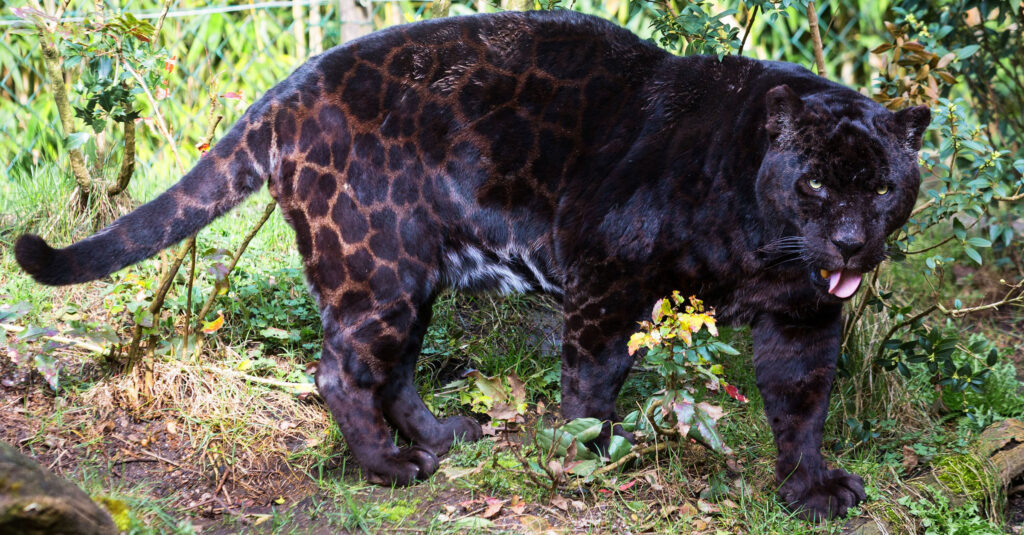
Beyond the classic orange, tigers come in white, golden, and even pseudo-black forms due to genetic mutations. White tigers, with their icy blue eyes, are stunning but rare in the wild— often bred in captivity, which sparks debates on ethics.
- White Tigers: Recessive gene causes lack of orange pigment; often have crossed eyes.
- Golden Tigers: Pale fur with reddish stripes; even rarer, mostly in zoos.
- Black Tigers: Thick stripes merge, creating a dark appearance; spotted in India’s Similipal reserve.
Fact 3: Tigers Are Exceptional Swimmers
Unlike most cats that hiss at water, tigers dive right in— they can swim miles across rivers without breaking a sweat. I once heard a ranger story about a tiger crossing the Ganges to reach new territory; it’s their way of expanding horizons in a shrinking world. This aquatic prowess sets them apart, turning water from barrier to highway.
Swimming Behaviors in Different Habitats
In mangrove swamps like the Sundarbans, tigers paddle through salty channels hunting crabs and fish. Further north, Siberian tigers use frozen rivers as paths, but warmer waters let them cool off on hot days. It’s a versatile skill that aids survival across Asia’s varied landscapes.
Why Tigers Love Water More Than Other Big Cats
Lions might lounge by pools, but tigers actively swim for fun and function. It helps regulate body heat, escape insects, and even ambush prey— imagine a croc’s surprise when a tiger lunges from the depths. Humorously, they’re like the jocks of the cat world, always up for a dip.
Fact 4: They Lead Mostly Solitary Lives
Tigers are the ultimate introverts, claiming vast territories they defend fiercely from rivals. Males’ ranges overlap with females but rarely with other males, leading to dramatic showdowns when boundaries cross. This lone wolf— er, cat— lifestyle ensures enough food without constant competition.
Family Dynamics and Cub Rearing
Moms handle the heavy lifting, teaching cubs to hunt over two years while dads occasionally drop by. Cubs play-fight to build strength, a heartwarming sight that tugs at your emotions— until you remember they’re practicing for real kills. Family bonds fade as they mature, pushing young tigers to strike out alone.
Territorial Marking Techniques
Urine sprays, tree scratches, and roars declare “mine!” in tiger-speak. These signals prevent fights, but when ignored, battles can be brutal. It’s a system that’s worked for ages, though human encroachment now squeezes these spaces tighter.
- Scent marking with urine and glands.
- Claw rakes on trees up to 10 feet high.
- Vocal warnings like growls and roars.
Fact 5: Tigers Can Devour Massive Meals
A hungry tiger might scarf down 80 pounds of meat in one go— that’s like eating 320 burgers! They gorge after a kill, then fast for days, a feast-or-famine life that suits their ambush style. It’s efficient, but risky if hunts fail often.
Hunting Strategies and Prey Preferences
Stalking silently, they pounce with lethal precision, targeting deer, boar, or even young elephants. Success rates hover around 10%, so patience is key. In lean times, they’ll scavenge or raid farms, sparking conflicts with humans.
Digestion and Energy Needs
Their guts process meat quickly, extracting max nutrients from bones and all. This high-protein diet fuels bursts of speed up to 40 mph, but they conserve energy by lounging 20 hours a day— sounds like a dream life, minus the hunting part.
Fact 6: Their Roars Are Earth-Shaking
A tiger’s roar can travel two miles, a deep rumble that vibrates through your chest like thunder. It’s not just noise; it communicates territory, calls mates, or warns off threats. Hearing one in the wild? Chilling and thrilling all at once.
Vocal Communication Variety
Beyond roars, they chuff friendly greetings, growl in anger, and purr like oversized house cats when content. Cubs mew to mom, adding a cute layer to their fierce rep. These sounds build social ties in their mostly solo world.
How Roars Differ from Other Cats
Lions roar in prides for unity, but tigers’ are solo broadcasts, deeper and more infrasonic for long-range punch. It’s evolution’s way of saying, “I’m here, and I’m boss”— with a side of acoustic intimidation.
Pros of Powerful Roars:
- Deters intruders without fights.
- Attracts mates across distances.
Cons:
- Reveals location to poachers.
- Energy drain if overused.
Fact 7: Tigers Have Ancient Roots
These cats trace back over two million years, evolving from early pantherines in Asia’s wilds. Fossils show they’ve adapted through ice ages and warm spells, a testament to resilience. It’s humbling to think our ancestors shared the planet with their forebears.
Evolutionary Adaptations Over Time
From China to Indonesia, tigers diversified into subspecies, each tweaking traits for survival. Genetic studies reveal interbreeding with ancient lines, adding twists to their family tree.
Fossil Evidence and Discoveries
Sites in Java and Siberia yield bones hinting at even larger prehistoric tigers. Recent finds, like DNA from old scat, unlock secrets— imagine piecing together a puzzle from the past.
Fact 8: Cubs Are Adorable but Vulnerable
Tiger litters average two to four cubs, born blind and tiny at about three pounds each. Moms fiercely protect them, teaching survival skills through play. Watching cubs tumble is pure joy, but half don’t make it to adulthood— a sobering reality.
Learning to Hunt from Mom
By six months, cubs join hunts, mimicking mom’s stealth. It’s hands-on education, building bonds and skills. Dads rarely help, but rare family hunts show cooperation when it counts.
Challenges for Young Tigers
Predators, starvation, and human threats loom large. Conservation programs focus on protecting moms to boost cub survival— every litter counts in the fight against extinction.
Fact 9: They Thrive in Diverse Habitats
From Siberian snows to Sumatran swamps, tigers adapt to it all— forests, grasslands, even mountains up to 14,000 feet. This versatility once spanned Asia, but now fragments isolate populations.
Habitat Preferences by Subspecies
Bengals favor tropical woods, Siberians taiga forests. Mangrove dwellers in Bangladesh swim daily, while Russian ones endure -40°F winters. Climate change threatens these homes, especially low-lying areas.
Human Impact on Tiger Territories
Deforestation and roads carve up ranges, forcing tigers into villages. Solutions like corridors reconnect habitats— check WWF’s tiger projects for ways to help.
- Tropical rainforests for camouflage.
- Grasslands for open hunts.
- Mangroves for aquatic prey.
Fact 10: Tigers Are Critically Endangered
With just around 5,574 left in the wild, tigers teeter on the brink, down 95% from historic numbers. Poaching for skins and parts, plus habitat loss, drive this crisis. But hope flickers— populations rise in India thanks to strict protections.
Major Threats Facing Tigers
Illegal trade fuels demand for tiger bones in medicine, while farms and roads erode homes. Conflicts kill hundreds yearly— a tragic clash of worlds.
Conservation Success Stories
Initiatives like TX2 doubled numbers in some areas by 2022. Reserves and anti-poaching teams work wonders; support them via Panthera.org or local wildlife funds.
People Also Ask About Tigers
Drawing from real Google searches, here are common questions that pop up when folks dive into tiger topics. These reflect curiosity about their lives, threats, and where to learn more.
What Are 5 Interesting Facts About Tigers?
Tigers boast unique stripes, swim like pros, roar for miles, lead solo lives, and face extinction— each fact a window into their world.
How Many Tigers Are Left in the World?
Around 5,574 wild tigers remain, mostly in India, with numbers climbing in protected zones but dropping elsewhere due to poaching.
Where Do Tigers Live?
They inhabit Asia’s forests, from Russia’s taiga to Indonesia’s islands— for sightings, head to reserves like India’s Bandhavgarh or Russia’s Sikhote-Alin.
What Can I Do to Help Tigers?
Donate to orgs like WWF, avoid tiger products, and support eco-tourism— every action counts in saving these icons.
Where to See Tigers: Navigational Guide
Craving a tiger encounter? Top spots include India’s Kanha National Park for Bengals or Sumatra’s Kerinci Seblat for rare island cats. Book safaris through reputable operators like Naturetrek for ethical viewing. Virtual options? Check Smithsonian’s live cams at nationalzoo.si.edu.
Best Tools and Resources for Learning About Tigers
For deeper dives, grab books like “The Tiger” by John Vaillant— a gripping tale of man-tiger conflict. Apps like iNaturalist track sightings, while documentaries on Netflix, such as “Tiger King” (with a critical eye), spark discussions. Best camera for tiger photography? Canon’s EOS R5 for sharp wildlife shots.
FAQ
How Fast Can a Tiger Run?
Tigers hit bursts of 35-40 mph, but only short distances— they’re sprinters, not marathoners, relying on stealth over speed.
Do Tigers Live in Groups?
Mostly no; they’re solitary except for moms with cubs or brief mating pairs. Unlike lions, no prides here.
What Do Tigers Eat?
Mainly deer, boar, and buffalo, but they’ll take anything from fish to bears if needed— opportunistic carnivores at heart.
Are All Tiger Subspecies Endangered?
Yes, all six surviving ones are endangered or critically so; three went extinct in the 20th century.
How Long Do Tigers Live?
In the wild, 10-15 years; captivity pushes it to 20, thanks to vets and steady meals.
In wrapping up, tigers aren’t just facts on a page— they’re living legends fighting for space in our world. My Ranthambore memory fuels my passion for their protection; maybe this article sparks yours. Share your tiger stories below, and let’s keep the conversation roaring.