I’ve always had a soft spot for cows. Growing up near a small dairy farm in the Midwest, I’d sneak over to watch them munch grass, their big eyes full of quiet curiosity. One summer, a calf followed me around like a puppy, and that sealed it—these animals aren’t just farm staples; they’re full of surprises. If you’ve ever driven past a pasture and wondered what’s really going on in those bovine minds, you’re in for a treat. This dive into 22 lesser-known facts will uncover the clever, quirky side of cows that goes way beyond milk and mooing.
The Fascinating World of Cow Anatomy
Cows boast some truly unique body features that help them thrive in their environments. From super senses to specialized digestion, their anatomy is a marvel of evolution tailored for grazing life. Let’s break down a few eye-openers.
Cows Have Nearly Panoramic Vision
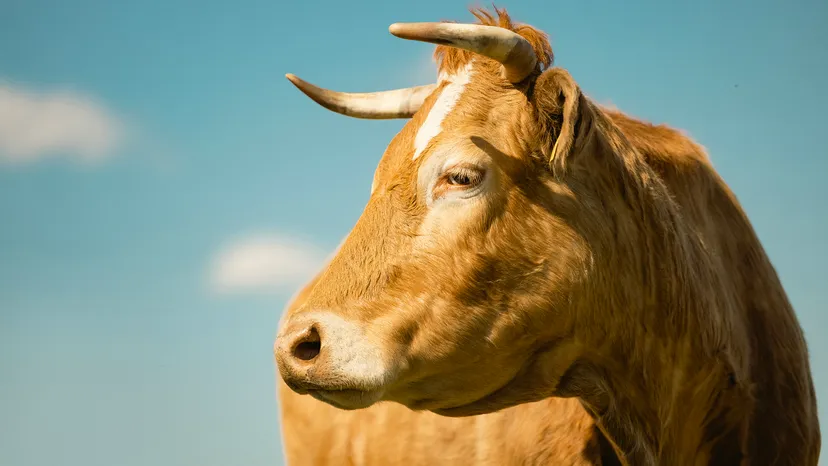
With eyes positioned on the sides of their heads, cows enjoy almost 360-degree vision, spotting predators or friends from nearly any angle without turning. This wide view keeps them safe in open fields, though it creates a small blind spot right in front and behind. Imagine trying to sneak up on one—they’d see you coming long before you got close.
Their Stomach Isn’t Just One—It’s Four Compartments
Cows don’t have four separate stomachs, but one with four chambers: rumen, reticulum, omasum, and abomasum. This setup lets them ferment tough grasses through regurgitation and re-chewing, known as cud. It’s like nature’s built-in food processor, turning fibrous plants into energy efficiently.
No Upper Front Teeth? No Problem
Instead of top incisors, cows use a tough dental pad to grip and tear grass, paired with bottom teeth for grinding. This adaptation suits their herbivore diet perfectly, letting them pull vegetation without nipping fingers—handy for farmers during check-ups. It’s one of those quirks that makes you appreciate how specialized they are.
Super Sniffers Detect Scents Miles Away
A cow’s nose can pick up odors up to six miles distant, helping them find food, water, or sense danger like approaching storms. This keen smell also aids in recognizing herd mates or calves. Next time you see a cow sniffing the air, know it’s gathering intel like a pro detective.
They Produce Buckets of Saliva Daily
To aid digestion, cows churn out about 40 gallons of saliva each day, moistening food for easier breakdown in their complex gut. This constant flow keeps their mouths healthy and supports the rumen microbes. It’s a slobbery secret that underscores their non-stop eating routine.
Cow Behavior: Smarter and More Social Than You Think
Cows aren’t the dull creatures some folks imagine. They’re emotional, playful, and deeply connected in ways that mirror our own social lives. Drawing from my farm visits, I’ve seen firsthand how they form bonds that last.
Cows Form Lifelong Best Friendships
Studies show cows have preferred companions, getting stressed if separated from them. They groom each other and hang out, much like human pals. Once, I watched two cows reunite after a vet visit—they nuzzled like old buddies catching up.
They’re Surprisingly Good Swimmers
When needed, cows can swim miles across rivers or lakes, using strong legs to propel through water. Farmers sometimes herd them this way for fresh pastures. It’s impressive to picture these hefty animals paddling like pros, defying their land-loving image.
Cows Hold Grudges and Remember Faces
These animals recall people who’ve treated them kindly or harshly for years, reacting accordingly. If you’ve been mean, expect a cold shoulder. This memory highlights their intelligence, making interactions more meaningful for handlers.
They Love a Good Puzzle
Cows enjoy solving problems, like figuring out levers for treats, and show excitement when successful. Their brains release feel-good chemicals during challenges. It’s heartwarming to think of them as curious learners, not just grazers.
Mooing Is Their Unique Language
Each cow has a distinct moo, varying by emotion—content, hungry, or calling calves. Herds use these sounds to communicate over distances. Listening to a pasture symphony reveals a whole conversation happening right under our noses.
Cows in History and Culture: More Than Meets the Eye
From ancient origins to modern symbols, cows weave through human stories in surprising ways. Their role extends beyond farms into traditions and economies worldwide.
Cows Originated in Ancient Turkey
Domestic cows trace back to wild aurochs in Turkey around 10,000 years ago, bred for docility and utility. This long history ties them to early agriculture. Thinking about it, every burger or glass of milk connects to those ancient herders.
They Share 80% of Genes with Humans
Genetically, cows and people overlap significantly, aiding medical research like insulin production. This similarity surprises many, bridging the gap between us. It’s a reminder of our shared evolutionary path.
In Some Cultures, Cows Symbolize Wealth
In parts of Africa and India, cow ownership denotes status, used in dowries or trades. They’re sacred in Hinduism, protected and revered. This cultural depth adds layers to what we see as simple livestock.
Cows Were Once Wild and Massive
Ancestor aurochs stood over six feet tall with huge horns, far from today’s gentle breeds. Selective breeding tamed them over millennia. Imagining those giants roaming Europe paints a wild picture of prehistory.
They’re Honored in Festivals Worldwide
Events like India’s Gopashtami celebrate cows with decorations and feedings. In the U.S., cow parades highlight dairy heritage. These traditions keep their cultural importance alive and fun.
Quirky Cow Trivia That’ll Make You Smile
For the lighter side, these facts blend humor with wonder. Cows have odd habits and abilities that keep things entertaining.
Cows Can Run Faster Than You Might Expect
Clocking up to 25 mph in bursts, cows outpace many humans when motivated. Don’t challenge one to a race unless you’re feeling brave. It’s a funny thought—those lumbering bodies hiding speed.
They Sleep Just Four Hours a Day
Cows nap in short spells, totaling about four hours, often lying down for comfort. This light sleep pattern suits their vigilant nature. Who needs eight hours when you’re built for grazing marathons?
Colorblind to Red? Bulls Too
Cows see blues and yellows but not red, so matador capes are about motion, not color. This debunks the “red rage” myth hilariously.
Cows Produce Massive Methane
Each cow burps out up to 500 liters of methane daily, impacting climate. Farms are innovating to reduce this—think eco-friendly cow diets.
They’re Pregnant for Nine Months
Like humans, cow gestation lasts nine months, birthing one calf usually. This parallel feels oddly relatable.
Cows Chew Non-Stop
Jaws move 40,000 times daily, chewing cud for hours. It’s their zen mode, processing meals thoroughly.
They Lick for Bonding and Cleanliness
Licking grooms and strengthens social ties in the herd. It’s their version of a hug.
Dairy vs. Beef Cows: A Quick Comparison
Wondering how dairy and beef cows differ? Here’s a side-by-side look to clarify.
| Aspect | Dairy Cows | Beef Cows |
|---|---|---|
| Primary Purpose | Milk production | Meat production |
| Body Build | Leaner, with larger udders | Muscular, stockier frame |
| Lifespan | 4-6 years in production | 1-2 years to market |
| Diet Focus | High-energy for milk | Protein-rich for growth |
| Breeds Example | Holstein, Jersey | Angus, Hereford |
This table shows how breeding tailors them for specific roles, though both need excellent care.
Pros and Cons of Raising Cows
If you’re dreaming of a small herd, weigh these ups and downs based on real farm experiences.
Pros:
- Provide fresh milk or beef for self-sufficiency.
- Natural lawn mowers, fertilizing soil as they graze.
- Companionship—cows can be affectionate pets.
- Potential income from selling products.
Cons:
- High initial costs for fencing and shelters.
- Daily chores like feeding and milking.
- Vet bills add up for health issues.
- Space needs—acres per cow minimum.
It’s rewarding but demands commitment, like any pet on a grand scale.
People Also Ask About Cows
Drawing from common Google queries, here are real questions folks search.
- What are 5 interesting facts about cows? Cows have best friends, panoramic vision, four stomach chambers, keen smell, and remember faces.
- Do cows sleep standing up? Rarely—they prefer lying down for deep rest, though they can doze upright.
- Why are cows sacred in India? In Hinduism, they symbolize life and earth, protected as mothers providing milk.
- How smart are cows? Quite—they solve puzzles, show emotions, and form complex social groups.
These cover popular curiosities, sparking more interest in bovine buddies.
Where to Get Hands-On Cow Experiences
For navigational info, visit local farms or sanctuaries. Check out places like the National Dairy Shrine in Wisconsin for tours. Online, explore virtual farm cams on sites like FarmFood360.ca. Or head to agritourism spots—search “cow farms near me” for interactive visits.
Best Tools and Books for Cow Lovers
Transactionally, grab “The Cow Book” by John Connell for heartfelt stories. For tools, a good milking machine like DeLaval models suits hobbyists. Beginners might love “Keeping a Family Cow” by Joann Grohman—practical and inspiring. Shop at Tractor Supply for essentials like halters.
FAQ: Common Cow Questions Answered
How long do cows live naturally?
In the wild or with good care, cows can reach 20 years, though farm life often shortens this to 5-10 due to production demands.
Can cows recognize their owners?
Absolutely—they remember faces and voices, bonding over time with gentle handlers.
What’s the difference between a cow and a heifer?
A cow has calved at least once; a heifer is a young female yet to give birth.
Do all cows produce milk?
Only females after calving do, and it requires regular milking or nursing to continue.
Are cows good for the environment?
They can be—with rotational grazing improving soil, but large-scale farming needs methane management for sustainability.
Wrapping up, cows are more than meets the eye—intelligent, social wonders deserving respect. Next time you spot one, remember the depth behind that gentle gaze. If this sparked your curiosity, share your own cow stories below.