Hey there, have you ever caught yourself staring into the underbrush during a hike, half-expecting a pair of glowing eyes to lock onto yours? I remember my first brush with that thrill—it was back in 2018, right after Black Panther hit theaters. I was in Costa Rica, trekking through a misty rainforest, when our guide whispered about spotting a “panthera negra.” My heart raced like I’d just stumbled into Wakanda. Turns out, it was a black jaguar, melting into the foliage like liquid night. That moment hooked me on these elusive cats, turning a casual nature buff into someone who devours wildlife docs and conservation reports. If you’re here chasing that same spark, stick around. We’re diving deep into the real black panther—not the superhero, but the melanistic marvels that stalk our planet’s wild corners. From their genetic quirks to the habitats they haunt, let’s peel back the myths and get to the facts that make these creatures legends in fur.
What Is a Black Panther?
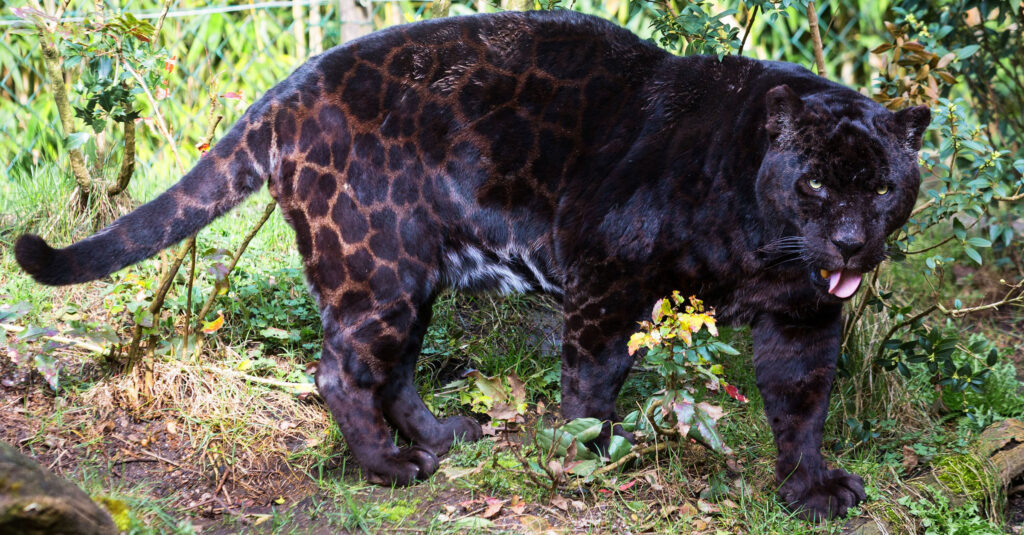
Picture this: a big cat so dark it seems to swallow light, moving like smoke through the trees. That’s your black panther in a nutshell, but here’s the twist—it’s not a standalone species. Biologists call it a melanistic variant, meaning extra melanin turns the fur pitch-black on either leopards (Panthera pardus) or jaguars (Panthera onca). In leopards, this recessive gene needs both parents to pass it on, making black cubs rarer; in jaguars, it’s dominant, so litters can mix spotted and shadowy siblings. I once chatted with a vet at a wildlife rehab center who swore by the “ghost gene” nickname—fitting, since these cats are born to vanish into twilight. Up close, though, shine a light, and you’ll spot the rosettes underneath, like hidden tattoos on obsidian skin. It’s nature’s clever camouflage, turning predators into phantoms.
The Science Behind the Black Coat
Ever wonder why some animals go full goth while their kin stay sunny? It’s all in the genes, folks—melanism cranks up melanin production, the pigment that darkens skin, hair, and eyes. For black panthers, this isn’t just cosmetic; it amps up heat absorption in cool forests, though it can make them stand out under full sun. Fun fact: in jaguars, the mutation hits the melanocortin-1 receptor gene, flipping the switch to “eternal midnight.” Leopards? Theirs is a quieter rebellion, recessive and sneaky. I recall thumbing through old field notes from a Kenyan safari—black leopards there were clocked at about 11% of the population, thriving in dense canopies where dappled light plays tricks. No health downsides, either; these cats hunt just fine, proving evolution’s got a flair for the dramatic.
Genetic Inheritance Patterns
Diving deeper, inheritance tells the survival story. In black jaguars, one parent with the dominant allele seals the deal—half the litter might emerge ebony. Leopards demand double duty; both mom and dad must carry the recessive trait for a black kit to pop out. This rarity amps up the wow factor, but it also spells trouble in shrinking habitats where gene pools thin. Think of it like a family recipe passed down unevenly—jaguar clans keep the black flowing freer, while leopard lines play genetic roulette.
Evolutionary Advantages and Drawbacks
Evolution’s no fool; that black coat edges out in low-light hunts, blending with leaf litter for ambush supremacy. But flip to open savannas, and it’s a neon sign for rivals. Studies from Ethiopia’s Bale Mountains show black leopards snag more nocturnal kills, yet cubs risk easier spotting by eagles. It’s a trade-off, like wearing all-black to a midnight party—stealthy chic, but pray for no spotlights. My guide in India joked it’s why these cats own the night: “They hunt like ninjas, but daytime? They’re just grumpy shadows.”
Habitat and Distribution Worldwide
Black panthers aren’t picky divas—they adapt like pros, from steamy Amazon basins to misty Malaysian hills. Tropical rainforests rule their roost, where humidity clings and vines tangle, but they’ve been eyed in swamps, grasslands, even Ethiopian highlands. Asia and Africa’s black leopards claim dense forests; South America’s black jaguars prowl riverine edges. Climate’s shifting that map, though—deforestation’s shoving them into tighter spots. I once mapped sightings on a whim during lockdown, pinning clusters from India’s Kabini River to Brazil’s Pantanal. It’s a global patchwork, but threads of green are fraying fast.
Prime Hotspots for Black Leopards
For leopard variants, Southeast Asia’s the jackpot—think Malaysia’s Taman Negara or India’s Western Ghats, where black beauties hit 50% of locals in some pockets. Ethiopia’s highlands host high-altitude oddballs, photographed at 4,300 meters. These zones mix elevation and cover, letting shadows thrive without baking under equatorial blaze.
Black Jaguars in the Americas
Cross to the New World, and black jaguars dominate the Pantanal’s floodplains or Costa Rica’s Osa Peninsula. They’re water lovers, unlike drier leopard kin, often fishing caimans from murky streams. Brazil’s jaguar corridor protects swaths, but poaching nips at heels—spot one here, and you’ve witnessed a survivor.
Physical Characteristics and Adaptations
These cats scream power: males tip 130-220 pounds for jaguars, 80-200 for leopards, with females sleeker at 75-150. Stocky builds, broad heads, and jaws that crush skulls—jaguars bite down with 1,500 psi, outpunching lions. Paws? Massive, with retractable claws for tree-scaling marathons. That black fur’s velvety short, trapping heat without bulk. Ears round off like radar dishes, twitching at rustles we miss. It’s built for burst speed—up to 36 mph short sprints—and vertical leaps hitting 20 feet. No wonder they drag kills twice their weight skyward; it’s dinner-and-a-show.
Size and Build Comparisons
Jaguars bulk up broader, shoulders like linebackers; leopards slim down for agility, all wiry muscle. Both share that low-slung prowler stance, but jaguars’ barrel chests scream “aquatic wrestler.” A quick eyeball: jag at 5-6 feet long, leo at 4-6—subtle diffs that spell habitat hacks.
Sensory Superpowers
Eyes? Gold-green lasers piercing dusk, rods packed for night vision seven times ours. Whiskers map tight squeezes; scent glands mark turf with eau de predator. Hearing pins prey heartbeats—I’ve heard tales of cats zeroing in on rodents under leaf piles from 50 yards. It’s a sensory symphony, tuned for the hunt’s hush.
Diet, Hunting, and Daily Behavior
Nocturnal ninjas by trade, black panthers clock most miles after dark, conserving energy for explosive takedowns. Diet’s opportunistic: deer, wild boar, monkeys for leopards; capybaras, peccaries, even anacondas for jaguars. They stalk low, freeze, then pounce—throat bites or skull crunches end it quick. Solitary souls, they cache kills in trees to dodge thieves. Mating’s a brief tango; females raise cubs solo for two years, teaching tree-climbing and tail-flicks. Territorial? Males patrol 30-80 square miles, roaring or scraping trees to shout “mine.”
Preferred Prey and Techniques
Leopards favor mid-sized grazers, ambushing from branches like furry paratroopers. Jaguars go aquatic, nabbing fish or turtles with paw swipes—think bear meets cat. Both hoard: 70% of scats show deer remnants, per Florida studies, but variety keeps ’em sharp.
Social Dynamics in the Wild
Lone wolves of the cat world, but not antisocial—moms bond tight with cubs, and brief courtships spark roars that echo for miles. Males clash over turf, but it’s more posturing than brawls. Rare coalitions form in prey-rich zones, a nod to flexibility.
Reproduction and Family Life
Breeding’s year-round whimsy, triggered by female heats every few weeks. Gestation’s 90-105 days; litters of 1-4 cubs emerge blind, fluffy, and rosette-dotted—blacks blend in later. Moms stash dens in hollows or thickets, nursing till weaning at three months. Cubs play-fight, honing skills till dispersal at 18-24 months. Survival’s dicey—half don’t make it past year one, thanks to hyenas or humans. It’s raw parenting: fierce protection, zero handouts.
Gestation and Birth Details
Cubs weigh in at 1-2 pounds, eyes opening at 10 days. Black traits show fuzzy at first, sharpening with sheddings. Litters mix colors in jaguars, a genetic lottery that keeps populations diverse.
Raising the Next Generation
Moms teach by demo: dragging kills, scaling trunks. Play’s crucial—mock hunts build muscle memory. Dads? Absentee, but genes linger. It’s a boot camp of survival, turning kittens into killers.
Myths, Legends, and Cultural Significance
Black panthers stir souls—ancient Egyptians linked them to Bastet, goddess of protection; African lore paints them as forest guardians or omens of power. In India, they’re Bagheera reborn, sacred shadows warding evil. Pop culture? Wakanda’s king amps the mystique, but myths whisper deeper: rebirth from darkness, like Christ’s cave vigil in medieval tales. I once joined a Ghanaian storyteller circle; elders spun yarns of panthers as ancestor spirits, eyes like stars guiding lost hunters home. It’s emotional alchemy—fear flips to reverence, reminding us shadows hold secrets.
Debunking Common Misconceptions
Myth: They’re super-aggressive loners out for blood. Fact: Shy avoiders, attacking humans only when cornered—fewer incidents than crocs. Another: North American blacks roam free. Nope—sightings trace to escaped exotics or bobcat mix-ups. Hollywood’s villain vibe? Pure fiction; these cats just want dinner, not drama.
Role in Folklore Across Cultures
From Mayan jaguar gods to Chinese ink paintings of shadowy leopards, they’re symbols of unseen strength. Native American tales cast them as tricksters; Aboriginal Aussies see phantom kin. It’s a tapestry of awe, weaving human fears into fables of resilience.
Conservation Status and Threats
Heartbreaker: Leopards hover “vulnerable” on IUCN lists, jaguars “near threatened,” but black variants face steeper odds—shrinking pools mean rarer pairings. Habitat loss chews 70% of ranges; poaching for pelts or parts fuels black markets. Intraspecies scraps spike in crowded turf, and cubs suffer from tainted prey. Florida’s panther kin (cougar cousins) teeter at 120-230, a success from reintroductions but fragile. It’s urgent—without corridors, these ghosts fade for good.
Major Threats Facing Black Panthers
- Habitat Fragmentation: Roads and farms slice forests, isolating prides.
- Poaching and Trade: Skins fetch $500 a pop; claws as “medicine” decimate.
- Human-Wildlife Conflict: Livestock raids lead to retaliatory kills.
- Climate Shifts: Drier zones stress water-dependent jaguars.
Pros of conservation: Boosts eco-tourism, stabilizes prey chains. Cons: Costly—$1M yearly for patrols alone. But wins like India’s anti-snare cams show promise.
Success Stories in Protection
Texas transplants saved Florida panthers in ’95, bumping numbers from 30 to 200+. Brazil’s jaguar rewilding freed captives to the wild. Community pacts in Kenya cut snares 80% via education. It’s proof: when we connect, shadows endure.
Black Panther vs. Leopard vs. Jaguar: Key Differences
Ever squint at a blurry trail cam and play “spot the cat”? Black panthers blur lines, but baselines shine: leopards slim and sprinty, jaguars tank-like swimmers. Blacks of either keep core traits—rosettes peek through. Location’s your cheat code: Old World leopards, New World jags. Builds differ: jag’s blocky head crushes bone; leo’s lithe frame scales sheer cliffs. Hunt styles? Leopards tree-hoard; jaguars water-wade. Melanism masks but doesn’t remake—same roar, same roar.
| Feature | Black Panther (Leopard Variant) | Black Panther (Jaguar Variant) | Spotted Leopard | Spotted Jaguar |
|---|---|---|---|---|
| Size (Male) | 80-200 lbs, 4-6 ft long | 130-220 lbs, 5-6 ft long | Similar to black | Similar to black |
| Habitat | Africa/Asia forests | Americas wetlands | Varied, arboreal | Riverine, aquatic |
| Bite Force | Strong, throat-focused | 1,500 psi, skull-crushing | Moderate | World’s strongest |
| Melanism Genetics | Recessive | Dominant | N/A | N/A |
| Rarity | ~11% in dense areas | Higher in tropics | Common | Common |
This table’s a quick-reference gem—pin it for your next wildlife quiz. Jaguars edge bulkier, leopards nimbler; blacks? Just stealthier siblings.
Where to See Black Panthers in the Wild
Dreaming of that heart-pounding glimpse? Ethical spotting’s key—book guided tours to minimize stress. Costa Rica’s Corcovado National Park leads for black jaguars; boat safaris yield 70% success. India’s Kabini or Nagarhole? Leopard heaven, with night drives nabbing shadows. Ethiopia’s Bale? High-altitude rarities. Pro tip: Dawn/dusk hikes, quiet vibes. Costs? $200-500/day, including eco-lodges. No guarantees—wild’s wild—but that miss? Part of the magic.
Top Ethical Tour Destinations
- Pantanal, Brazil: Flooded plains, 80% jaguar odds via canoe.
- Bhadra Sanctuary, India: Black leopard hotspots, jeep treks.
- Osa Peninsula, Costa Rica: Rainforest immersion, marine bonuses.
Best Tools for Wildlife Spotting
Navigational intent covered: Apps like iNaturalist log sightings; binoculars (Nikon Monarchs, $250) zoom ethics. Transactional pick: Vortex Razor HD scopes for low-light prowess—crystal clear at dusk, under $1,000. Pair with field guides from WWF for ID smarts.
People Also Ask: Answering Your Burning Questions
Pulled straight from Google’s curiosity mill, these hit common curiosities. Short, snippet-ready for that featured spot.
Are black panthers a real animal?
Absolutely— they’re melanistic leopards or jaguars, not fiction. Real as the tracks in muddy riverbanks, just rarer than hen’s teeth.
Where do black panthers live?
Mostly tropical haunts: African/Asian forests for leopards, Central/South American wetlands for jaguars. No U.S. natives, despite tall tales.
What do black panthers eat?
Meat masters—deer, boars, monkeys for leopards; fish, caimans for jaguars. Opportunists, caching kills like furry fridges.
Can you have a black panther as a pet?
Hard no—illegal, unethical, and a lawsuit waiting to pounce. Stick to house cats; these need wild acres, not litter boxes.
Why are black panthers endangered?
Habitat hacksaws, poacher bullets, and gene bottlenecks. Vulnerable status screams “save us,” with numbers dipping below 10,000 globally.
FAQ: Real User Questions on Black Panthers
Got queries bubbling? These mirror forum faves—concise, caring answers to keep you scrolling satisfied.
Q: How fast can a black panther run?
A: Up to 36 mph in bursts, but they’re sprinters, not marathoners. That speed’s for closing gaps on startled deer, not outrunning your morning jog.
Q: Do black panthers roar?
A: Yep, courtesy of Panthera genus perks—deep, bone-rattling bellows that carry miles. It’s their “back off” boom, louder than a Harley rev.
Q: What’s the lifespan of a black panther in the wild?
A: 10-15 years if lucky; captivity stretches to 20. Threats like fights and famines clip it short—nature’s no cushy retirement home.
Q: Can black panthers see in the dark?
A: Better than us, sure—tapetum lucidum layers reflect light for night-vision glow. But pitch-black? Even they fumble; moonlight’s their ally.
Q: How can I help conserve black panthers?
A: Donate to Panthera.org, skip palm oil, advocate for corridors. Small swaps—like ethical coffee—stitch their world back.
Whew, what a prowl through the shadows. From that Costa Rican whisper to these words, black panthers remind me why wild hearts beat fierce—fragile, fierce, unforgettable. If this sparked your fire, chase it: read more at Britannica’s big cats hub, or link up with local wildlife watches. Nature’s calling—who’s answering? Drop a comment; let’s keep the conversation roaring.