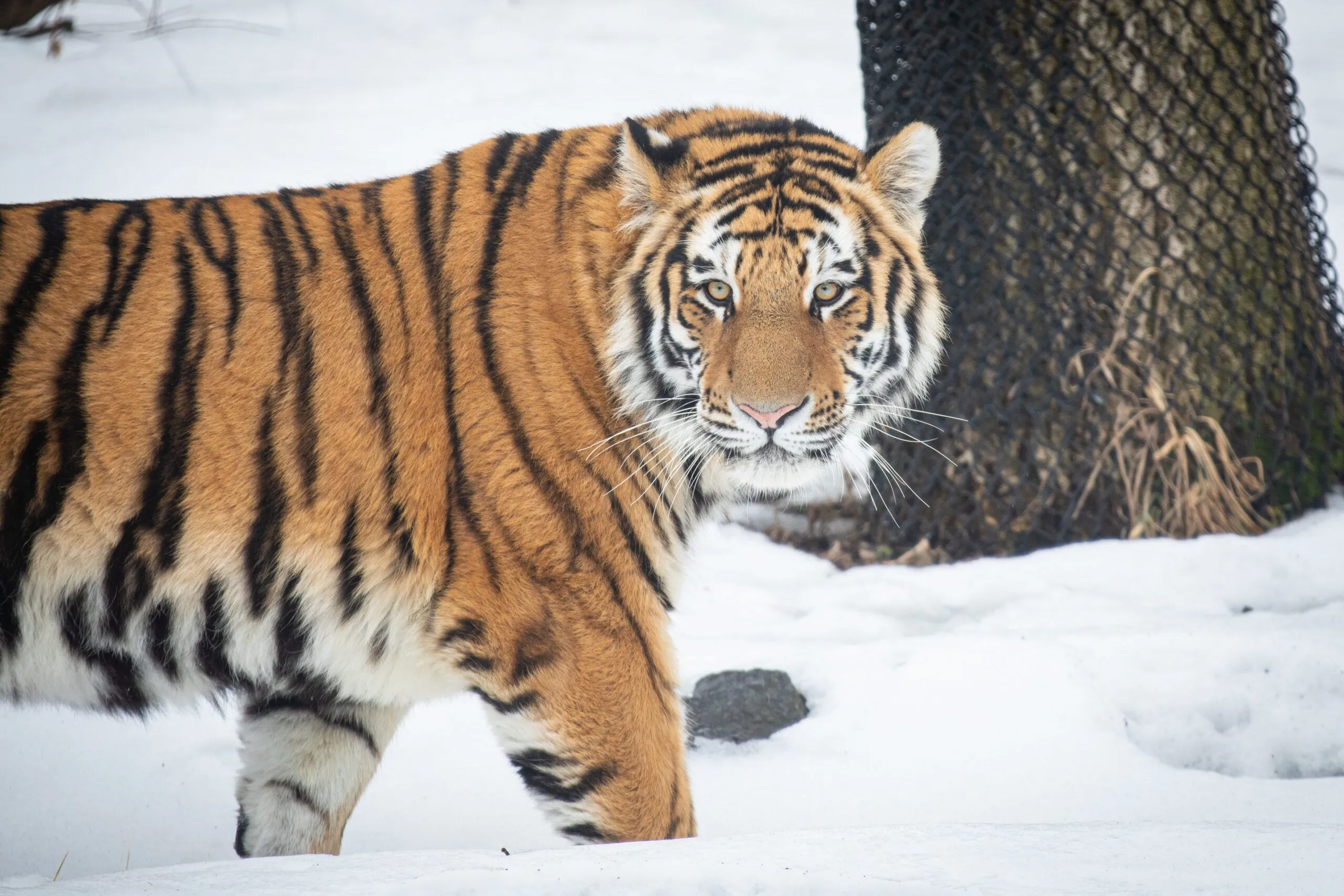
Imagine the thrill of a crisp March morning in Buffalo, where snow still lingers like a stubborn guest at a party. That’s when Sungari, a striking young male Amur tiger, made his grand entrance at the Buffalo Zoo. I remember my own excitement years ago visiting zoos as a kid, staring wide-eyed at these majestic beasts, feeling a mix of awe and a tiny bit of fear. This arrival isn’t just another animal transfer—it’s a beacon of hope for conservation, blending local pride with global efforts to save an endangered species.
The Journey to Buffalo
Sungari’s move from the St. Louis Zoo wasn’t a spur-of-the-moment decision. Born on November 13, 2023, this furry powerhouse traveled to Western New York as part of the Association of Zoos and Aquariums’ Species Survival Plan. It’s like a carefully orchestrated blind date for tigers, aimed at boosting genetic diversity. At just under 1.5 years old upon arrival, Sungari became the first male tiger at the zoo since 2011, filling a gap that had locals buzzing with anticipation.
From Missouri to New York
Picture a young tiger leaving the only home he’s known, embarking on a journey across states. Sungari adapted quickly to his new digs, exploring the snowy enclosure that mimics his wild ancestors’ habitat. Zoo staff noted his playful energy right away, a reminder of how these programs help animals thrive in captivity while supporting wild populations.
Why This Move Matters
Moves like this are crucial for endangered species like the Amur tiger, also known as the Siberian tiger. With only about 500 left in the wild, every pairing counts. Sungari’s presence opens doors for future breeding, potentially leading to cubs that could bolster conservation efforts worldwide.
What is an Amur Tiger?
Amur tigers hail from the chilly forests of Russia’s Far East and parts of China, perfectly suited for cold climates with their thick fur coats. They’re the largest cat species on Earth, with males tipping the scales at up to 660 pounds. Unlike their tropical cousins, these tigers don’t mind a snow day—in fact, they revel in it, using their massive paws like natural snowshoes.
Unique Adaptations
These big cats have lighter orange fur with fewer stripes, blending seamlessly into snowy landscapes. Their diet in the wild includes deer and wild boar, but in zoos, they feast on specially prepared meats. Fun fact: no two tigers share the same stripe pattern, making each one as unique as a fingerprint.
Conservation Status
Listed as endangered by the IUCN, Amur tigers face threats from poaching and habitat loss. Thanks to anti-poaching laws in Russia, their numbers have stabilized somewhat, but challenges remain. Zoos play a key role in education and breeding, turning visitors into advocates for wildlife protection.
Buffalo Zoo’s Role in Tiger Conservation
The Buffalo Zoo has a rich history dating back to 1875, making it one of America’s oldest. Welcoming Sungari aligns with their mission to conserve endangered species through partnerships. It’s not just about housing animals; it’s about creating environments that promote natural behaviors and public engagement.
Previous Tigers at the Zoo
Before Sungari, the zoo housed Tamari, a beloved female Amur tiger who sadly passed in September 2025 due to health issues. Her story touched many, including me—I once saw a similar tiger at another zoo and felt that pang of sadness knowing their wild counterparts struggle. Sungari’s arrival brings fresh energy to the exhibit.
Future Plans for Breeding
In July 2025, Ash, a female Amur tiger from the Toledo Zoo, joined Sungari as part of the breeding plan. The pair represents hope for new cubs, which could be reintroduced or used in further conservation. Zoo officials are optimistic, monitoring their interactions closely.
Visiting the Buffalo Zoo
Planning a trip to see Sungari? The zoo is located at 300 Parkside Avenue in Buffalo, New York, open year-round with varying hours. Tickets start at around $20 for adults, and members get perks like early access. It’s a perfect family outing, especially in winter when tigers are most active in the snow.
Best Times to Visit
Aim for mornings when animals are lively. Avoid peak summer crowds if you want a quieter experience. Pro tip: Check the zoo’s website for special tiger talks or feeding sessions—they’re educational and fun.
Nearby Attractions
While in Buffalo, explore Delaware Park or grab wings at a local spot. Combining a zoo visit with city sights makes for a memorable day. For more info, head to the official Buffalo Zoo site here.
How to Support Tiger Conservation
Want to help beyond visiting? Donations to organizations like the World Wildlife Fund go a long way in anti-poaching efforts. Adopt a tiger symbolically through the zoo—it’s a great gift that funds habitat protection. Every little bit counts in saving these icons from extinction.
Ways to Get Involved
- Volunteer at local wildlife events.
- Spread awareness on social media.
- Choose sustainable products to reduce habitat destruction.
Best Tools for Conservation Advocacy
For tracking wildlife, apps like iNaturalist let you log sightings and contribute to science. Binoculars from brands like Nikon are essential for birding or tiger spotting in the wild. Check out WWF’s toolkit for more resources here.
Comparison: Amur Tigers vs. Other Subspecies
Amur tigers stand out among their kin. Here’s a quick look at how they stack up:
| Feature | Amur Tiger | Bengal Tiger | Sumatran Tiger |
|---|---|---|---|
| Size | Largest, up to 660 lbs | Medium, up to 500 lbs | Smallest, up to 300 lbs |
| Habitat | Cold forests | Tropical jungles | Rainforests |
| Fur | Thick, pale orange | Bright orange | Darker, more stripes |
| Population | ~500 in wild | ~2,500 in wild | ~400 in wild |
This table highlights why Amur tigers need specific conservation strategies tailored to their northern homes.
Pros and Cons of Zoo Breeding Programs
Breeding programs like the one bringing Sungari to Buffalo have upsides and downsides.
Pros:
- Increases genetic diversity.
- Educates the public on conservation.
- Provides safe havens for endangered animals.
Cons:
- Animals may face stress from relocation.
- Limited space compared to wild habitats.
- High costs for maintenance and care.
Overall, the benefits outweigh the drawbacks when done ethically, as seen in rising tiger numbers.
People Also Ask
Based on common Google searches around this topic, here are some real questions people are asking:
How many Amur tigers are left in the wild?
Around 500 Amur tigers roam the wilds of Russia and China, a number that’s held steady thanks to strict protections. It’s a far cry from near-extinction in the 1940s, but poaching remains a threat.
What do Amur tigers eat?
In the wild, they hunt deer, boar, and even bears. At zoos, a balanced diet of beef, horse meat, and supplements keeps them healthy and strong.
Can I see the new tiger at Buffalo Zoo?
Yes! Sungari is on exhibit, often seen pacing or playing. Check the zoo’s schedule for the best viewing times.
Why are Amur tigers endangered?
Habitat loss from logging, poaching for body parts, and human-tiger conflicts are the main culprits. Conservation efforts aim to mitigate these.
A Personal Reflection on Tigers
I once volunteered at a wildlife sanctuary, helping with big cat enrichment. Watching a tiger like Sungari chase a toy reminded me of my house cat, but on steroids—pure power mixed with curiosity. It’s moments like these that make conservation personal. If you’ve never seen one up close, it’s an experience that sticks with you, urging you to protect our planet’s wonders.
Seeing Sungari settle in brings back that childlike wonder. But it’s bittersweet knowing his wild kin face daily dangers. Let’s hope stories like this inspire more action.
FAQ
What is the name of the new male Amur tiger at Buffalo Zoo?
The new tiger is named Sungari, after a river in his species’ native range. He arrived in March 2025 and quickly became a star attraction.
Where did the new Amur tiger come from?
Sungari came from the St. Louis Zoo in Missouri, where he was born. The move was recommended to enhance breeding opportunities.
How can I help conserve Amur tigers?
Support organizations like WWF through donations or advocacy. Avoid products linked to habitat destruction, and educate others about the species.
Are there plans for more tigers at Buffalo Zoo?
Yes, Ash arrived in July 2025 for potential breeding with Sungari. Future cubs could further the zoo’s conservation goals.
What makes Amur tigers different from other tigers?
They’re adapted to cold weather with thicker fur and larger size. Their pale coats help camouflage in snowy forests, unlike warmer-climate subspecies.
In wrapping up, Sungari’s arrival at the Buffalo Zoo isn’t just news—it’s a call to action wrapped in stripes. From his playful antics to the broader fight for survival, this story connects us all. Next time you’re in Buffalo, stop by and say hello. Who knows? It might spark your own passion for wildlife.