Imagine the thrill of new life in the animal kingdom, especially when it involves one of the world’s most majestic yet endangered creatures. Back in June 2025, something extraordinary happened at a cozy wildlife park in the rolling hills of Pembrokeshire, Wales. Four tiny Sumatran tiger cubs entered the world, marking the largest litter of its kind ever recorded in the UK. This wasn’t just a cute headline; it was a beacon of hope for conservation efforts. I recall my own trip to a similar zoo years ago, watching tigers prowl with that effortless power—it’s moments like these that remind us why protecting them matters so much.
The Historic Birth at Manor Wildlife Park
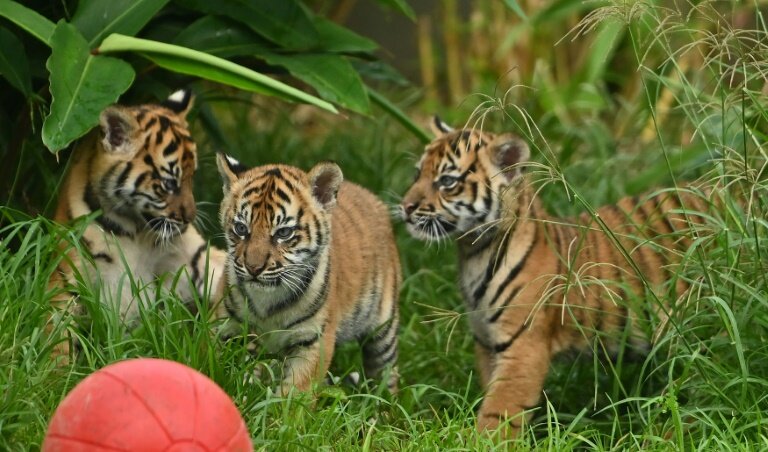
Nestled in the scenic Welsh countryside, Manor Wildlife Park became the unlikely stage for this record-breaking event on June 8, 2025. The birth of four Sumatran tiger cubs to mother Zaza not only shattered previous UK records—surpassing the three cubs at London Zoo and two at Chester—but also spotlighted the park’s role in global conservation. Owned by TV personality Anna Ryder Richardson, the park has long championed endangered species, and this litter felt like a personal victory for everyone involved.
Meet the Proud Parents: Zaza and Jambi
Zaza, the devoted mother, arrived at the park in 2018 as part of the European Endangered Species Programme (EEP), paired with Jambi to boost genetic diversity. Their story is one of careful matchmaking by experts, ensuring healthy offspring for a species teetering on the brink. Watching Zaza nurture her cubs reminds me of a time I saw a lioness with her pride—it’s that raw, instinctive bond that tugs at your heartstrings.
The Adorable Cubs: A Bundle of Stripes and Mischief
These four cubs, whose genders were still a mystery at the time of reporting, wasted no time stealing the show with their playful antics. Born blind and helpless, they quickly grew into fluffy explorers under Zaza’s watchful eye. It’s hard not to chuckle imagining them tumbling over each other like oversized kittens—proof that even fierce tigers start small and silly.
What Is a Sumatran Tiger? Unpacking the Basics
Sumatran tigers are the smallest subspecies of tiger, native to the Indonesian island of Sumatra, with distinctive narrow stripes and a mane-like ruff around their necks. They’re critically endangered, with fewer than 400 left in the wild due to habitat loss and poaching. These cats are superb swimmers, often patrolling rivers in their tropical forest homes, which sets them apart from their mainland cousins.
Why Are Sumatran Tigers Endangered?
The main culprits are deforestation for palm oil plantations and illegal hunting for body parts used in traditional medicine. Human-tiger conflicts rise as habitats shrink, leading to retaliatory killings. Conservation groups like WWF estimate populations have plummeted over 50% in the last two decades, making every birth a critical win.
Fascinating Facts About Sumatran Tigers
Did you know Sumatran tigers can swim up to 18 miles in a day? Their stripes are unique like fingerprints, and males can weigh up to 310 pounds. Cubs stay with mom for about two years, learning to hunt—picture a family outing, but with claws and stealth involved.
- Size and Appearance: Smaller than Bengal tigers, with darker orange fur and more stripes for camouflage in dense jungles.
- Diet: Primarily deer, wild boar, and smaller mammals; they need about 11 pounds of meat daily.
- Lifespan: Up to 15 years in the wild, longer in captivity with proper care.
- Behavior: Solitary except during mating; territories can span 60 square miles for males.
The Role of UK Zoos in Sumatran Tiger Conservation
UK zoos play a pivotal role through breeding programs like the EEP, coordinating efforts to maintain genetic health. Places like Chester Zoo and London Zoo have successfully bred litters, but Pembrokeshire’s quartet stands out for its size. These programs aren’t just about numbers; they’re about creating ambassadors that inspire public support for wild conservation.
Comparison: Sumatran Tigers vs. Other Subspecies
Here’s a quick table comparing Sumatran tigers to their relatives:
| Subspecies | Average Weight (Males) | Habitat | Population Status | Unique Trait |
|---|---|---|---|---|
| Sumatran | 220-310 lbs | Sumatran forests | Critically Endangered (<400) | Smallest size, excellent swimmers |
| Bengal | 400-550 lbs | India, Bangladesh | Endangered (~2,500) | Largest population, bold stripes |
| Siberian | 400-700 lbs | Russian Far East | Endangered (~500) | Thick fur for cold climates |
| Indochinese | 330-430 lbs | Southeast Asia | Endangered (~250) | Adaptable to varied terrains |
This highlights how Sumatrans are uniquely adapted but face the steepest threats.
Pros and Cons of Captive Breeding Programs
Pros:
- Boosts genetic diversity and population numbers.
- Educates the public on conservation needs.
- Provides safe environments free from poaching.
Cons:
- Limited space can affect natural behaviors.
- Reintroduction to the wild is challenging and rare.
- High costs for zoos, relying on donations and tickets.
On balance, these programs are essential, as wild populations dwindle.
Behind the Scenes: How the Birth Unfolded
Staff at Manor Wildlife Park monitored Zaza closely during her pregnancy, using cameras to ensure a stress-free delivery. The cubs emerged healthy, each weighing around two pounds—tiny bundles with oversized potential. Anna Ryder Richardson shared her excitement in interviews, calling it “the most magical moment,” which echoes my own awe when I witnessed a giraffe birth at a sanctuary once.
Challenges Faced by the Zoo Team
Raising four cubs meant round-the-clock care, from supplemental feeding if needed to health checks. Sumatran tigers have a high cub mortality rate in the wild, so vets were on high alert for any issues. Humorously, one keeper joked about the cubs’ energy keeping them busier than a caffeine-fueled toddler party.
The Emotional Impact on Visitors and Staff
Visitors flocked to see the family, with many leaving inspired to donate. For staff, it was a morale boost amid the tough work of conservation. There’s something profoundly moving about seeing new life thrive against the odds—it hits you right in the feels.
Where to See Sumatran Tigers in the UK
If this story has you itching for a tiger encounter, head to Manor Wildlife Park in Pembrokeshire for the real stars. Other spots include London Zoo’s Tiger Territory or Chester Zoo, both offering immersive experiences. Plan your visit via their websites for tickets and feeding times—nothing beats seeing these cats up close.
For more on UK wildlife parks, check our guide to top zoos in Wales.
External link: Visit Manor Wildlife Park for updates on the cubs.
Best Ways to Support Sumatran Tiger Conservation
Want to make a difference? Donate to organizations like ZSL or WWF, which fund anti-poaching patrols in Sumatra. Adopt a tiger symbolically through Twycross Zoo—it’s a fun way to contribute. Avoid palm oil products without sustainable certification to reduce habitat destruction.
Best tools for getting involved:
- WWF’s adoption kits: Personalized certificates and updates.
- Apps like “Buycott” to scan for sustainable products.
- Volunteer programs at local zoos for hands-on help.
People Also Ask: Common Questions About Sumatran Tiger Litters
Based on popular Google searches, here are some real questions people ask:
- How many cubs do Sumatran tigers usually have? Typically 2-3, but litters can reach up to 6 in rare cases; the Pembrokeshire four is exceptional.
- Why are Sumatran tigers critically endangered? Due to poaching, habitat loss from agriculture, and human conflicts, with populations under 400 in the wild.
- Where can I see Sumatran tigers in the UK? At zoos like Manor Wildlife Park, Edinburgh Zoo, and Paignton Zoo—book ahead for the best views.
- How long do tiger cubs stay with their mother? About 18-24 months, learning survival skills before venturing out.
FAQ: Your Questions Answered
Q: What makes the Pembrokeshire litter so special?
A: It’s the largest Sumatran tiger litter in UK history, with four cubs born healthy, boosting conservation hopes amid declining wild numbers.
Q: How can I help protect Sumatran tigers?
A: Support charities like WWF through donations, choose sustainable palm oil, and spread awareness—every action counts.
Q: Are the cubs viewable to the public yet?
A: Yes, at Manor Wildlife Park, but check their site for enclosure access as they grow.
Q: What’s the difference between Sumatran and other tigers?
A: Sumatrans are smaller, with denser stripes and better swimming abilities, adapted to island life.
Q: Why focus on captive births for conservation?
A: They maintain genetic diversity and educate people, supporting wild protection efforts.
In wrapping up, this Pembrokeshire miracle isn’t just news—it’s a call to action. These cubs represent hope, but their wild kin need us now more than ever. Next time you’re near a zoo, stop by and let their story inspire you. Who knows? It might spark your own adventure in conservation.