Hey there, fellow animal lover. Picture this: It’s a crisp fall morning in Washington, D.C., and I’m weaving through the tree-lined paths of Rock Creek Park, the air buzzing with the chatter of excited kids and the distant call of a gibbon. That’s how my first visit to the Smithsonian’s National Zoo and Conservation Biology Institute started years ago. I was fresh out of college, wide-eyed and a bit lost in the city, when a friend dragged me along for what she called “therapy with tigers.” Little did I know, it would spark a lifelong passion for conservation that had me volunteering there the next summer. If you’re wondering what makes this place more than just a zoo—it’s a living lab for saving our planet’s wild heart—stick with me. We’re diving deep into its story, secrets, and why it’s a must-see for anyone who cares about the creatures we share this world with.
A Storied Past: From Bison Backyard to Global Guardian
The Smithsonian’s National Zoo kicked off in 1889, born from a Congress act that dreamed big: advance science, educate folks, and toss in some recreation for good measure. It all traces back to William Temple Hornaday, a taxidermist with a soft spot for the vanishing bison herds of the American West. He convinced the Smithsonian to house live animals on the National Mall—deer, foxes, even a grizzly cub—in a makeshift setup behind the Castle. By 1890, it joined the Smithsonian family, sprawling across 163 acres in Rock Creek Park, thanks to landscape wizard Frederick Law Olmsted’s vision of blending beasts with nature. Fast forward, and in 1975, space crunches led to the Conservation Biology Institute in Front Royal, Virginia—a 3,200-acre haven for breeding endangered species like black-footed ferrets, once thought extinct in the wild.
What hits me every time I wander those Olmsted walks is how this zoo evolved from a curiosity cabinet to a conservation powerhouse. During the Great Depression, expeditions brought back exotic finds, like the 1937 East Indies haul that stocked the place with primates. By the 1970s, it was pioneering captive breeding, saving golden lion tamarins from the brink. Today, it’s not just exhibits; it’s a bridge between urban escape and urgent global work, reminding us that history isn’t dusty—it’s got claws and fur.
The Heart of It All: Leading the Charge in Wildlife Conservation
At its core, the Smithsonian’s National Zoo and Conservation Biology Institute isn’t about selfies with sloths (though, hey, those are epic). It’s a frontline fighter against extinction, blending zoo smarts with science to protect species and habitats worldwide. From the D.C. campus to Front Royal’s labs and field sites in over 30 countries, their teams tackle everything from panda fertility to amphibian diseases in Panama. Take the giant panda program: Decades of artificial insemination and habitat tweaks in China have bumped wild populations up 17%, a win that ripples to 30 other species sharing those bamboo groves.
I’ve chatted with keepers who beam about “rewilding” successes, like reintroducing scimitar-horned oryx to African savannas after they vanished in the wild. Their five science centers— from genetics to ecology—pump out data that guides policies, like curbing road impacts on Amazon primates. It’s emotional stuff; one researcher teared up telling me about cloning black-footed ferrets to boost genetic diversity. This institute trains tomorrow’s heroes too, turning wide-eyed interns into field pros who’ll safeguard biodiversity for generations. In a world losing species faster than ever, it’s a beacon of hope wrapped in red tape and lab coats.
Spotlight on Species: Pandas and Beyond
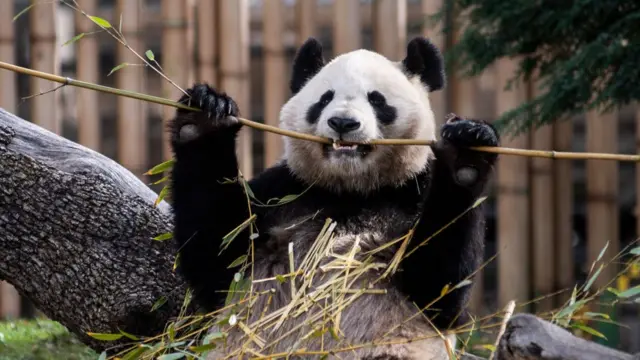
Giant pandas steal the show here, no contest. Since Ling-Ling and Hsing-Hsing arrived in 1972 as diplomatic fluffballs, the zoo’s bred five cubs, including the U.S.’s first survivor, Tai Shan in 2005. Now, with Bao Li and Qing Bao munching bamboo under those famous cams, it’s a fresh chapter in U.S.-China ties—and conservation gold.
But don’t sleep on the underdogs. Black-footed ferrets, cloned from frozen cells, are scampering back to prairies. Swift foxes and Przewalski’s horses get tailored breeding plans at Front Royal, mimicking wild herds to prep for release. Even tiny amphibians in the Panama center dodge chytrid fungus, a killer that’s wiped out hordes. These efforts aren’t flashy; they’re gritty, data-driven lifelines.
Global Reach: Field Work That Counts
Field stations from Asia’s elephant trails to African grasslands mean boots-on-the-ground impact. In China, panda research informs forest restoration; in India, tiger tracking fights poaching. The Climate and Ecosystem Health program uses satellite tech to map threats, while the Center for Species Survival breeds rarities like the cloned gecko treated for ailments.
Volunteers and partners amplify it all—I’ve seen locals in Panama release frogs bred here, their cheers echoing like victory bells. It’s proof: Conservation isn’t a solo gig; it’s a worldwide huddle.
Spotlight Animals: Stars of the Zoo That Steal Your Heart
Walk these paths, and you’ll meet characters that stick with you long after the cotton candy’s gone. The giant pandas? Adorable ambassadors, sure, but their bamboo-chomping routines teach bamboo forests’ fragility. I’ve lost hours to the Panda Cam, mesmerized by cubs tumbling like fuzzy acrobats—it’s like nature’s own sitcom.
Then there’s the great apes: Orangutans zip along the O-Line cables overhead, a 300-foot engineering marvel that lets them roam like wild swingers. Keepers name them thoughtfully—Kiko’s the philosopher, chewing leaves mid-air; Bonnie’s the boss, eyeing visitors like she owns the joint. Over in Great Cats, three Canada lynx brothers—Jasper, Rocky, Yukon—prowl their snowy-mimic habitat, fresh from 2025 arrivals. Their tufted ears and ghost-like stealth? Pure magic, especially when they pounce on enrichment toys. And don’t get me started on the elephants; Ambassador’s trunk sprays feel like a gentle monsoon, a reminder of Asian herds shrinking from habitat loss.
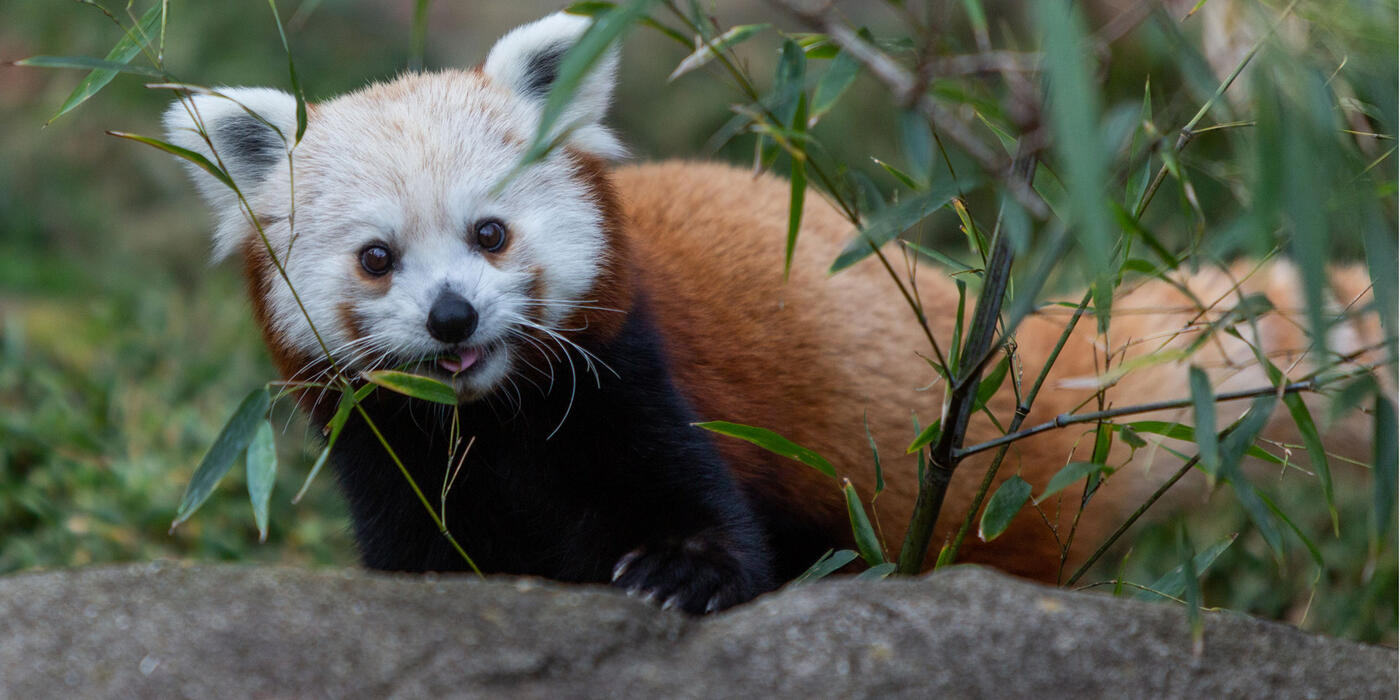
Humor creeps in with the oddballs: Naked mole-rats in their multistory tunnels, looking like escaped sci-fi props, or sailfin lizards fanning webs like living sails in the Reptile Center. Each one’s a story—red panda cubs scampering at Front Royal, or pygmy hippos wallowing with surprising speed. These aren’t props; they’re personalities pushing conservation chats.
Exhibits and Experiences: Where Learning Meets Wonder
The zoo’s laid out like a choose-your-adventure book, with Olmsted Walk as your spine—meander downhill from Connecticut Avenue, dipping into habitats that feel worlds away. Asia Trail whisks you to misty bamboo for pandas and sloth bears fishing honeycombs. American Trail spotlights natives: Seals splash in tidal pools, gray wolves howl at dusk, all nods to comeback kings like bald eagles.
Kids’ zones shine—Little Critters: Nature Play lets tots dig “fossils” or mimic bird calls, blending fun with facts on habitats. The Reptile Discovery Center’s a thrill ride: Komodo dragons lumber past, while interactive touch tanks reveal amphibian secrets. Even adults geek out at Think Tank, where primates puzzle-solve on live cams, probing cognition.
It’s immersive, not stuffy—volunteer chats spill insider scoops, like how elephants “talk” via foot rumbles. My volunteer stint? Guiding tours, I’d watch eyes light up at a gorilla’s knowing glance. Pure connection.
Must-See Habitats: A Quick Guide
- David M. Rubenstein Family Giant Panda Habitat: Indoor/outdoor views, bamboo feasts—prime for cub spotting.
- Great Ape House: Gorillas thump chests; orangs swing high—watch for tool-use demos.
- Elephant Trails: Asia’s giants roam 5 acres, crossing bridges over visitor paths.
These spots pack crowds, so time ’em for mornings when animals are friskiest.
Planning Your Visit: Insider Tips for a Seamless Adventure
Getting here? Metro’s your MVP—Red Line to Woodley Park or Cleveland Park, a flat stroll to the lion-flanked gate. Parking? Skip it; $30 spots vanish fast, and that hill’s a hike. Arrive at 8 a.m. opening to beat lines—I’ve sweated uphill regrets otherwise. Passes? Free, but reserve online; same-day slots are slim.
Pack smart: Picnic-friendly (no glass or booze), but carts hawk overpriced dogs. Rent wagons for tots—$12, sanitized post-use. Hydrate; those 2-4 hour loops wind through woods, and summer’s a sauna. Pro move: Download the app for maps, cams, and keeper talks—saved me from missing the 11 a.m. bird show once.
Accessibility rocks—free wheelchairs, ramps galore, sensory guides for neurodiverse folks. Families, hit Boo at the Zoo for Halloween tricks-or-treats with animal twists. It’s free entry, but events like ZooLights (holiday glow) need tix. Budget 3 hours minimum; I’ve stretched days here, collapsing on benches mid-giggle at a monkey’s antics.
Pros and Cons of a Day at the Zoo
| Aspect | Pros | Cons |
|---|---|---|
| Cost | Free admission; unbeatable value for 2M+ annual visitors. | Parking $30; food pricey (grab a picnic). |
| Variety | 400 species, interactive exhibits—something for all ages. | Crowds peak weekends; popular spots like pandas queue up. |
| Education | Keeper chats, cams—turns fun into facts on conservation. | Hill terrain tires tots (rent wagons!). |
| Vibe | Serene woods meet wildlife thrills; emotional highs from rescues. | Weather-dependent; hot summers, rainy slips. |
Overall? Pros crush—it’s a steal for soul-stirring days.
Conservation in Action: Programs That Make a Difference
Beyond exhibits, programs pulse with purpose. The Center for Conservation and Sustainability weaves science into policy, from Amazon primate safeguards to kiwi feather repatriations with New Zealand. Virtual field trips beam Zoo magic to preschoolers nationwide, fostering eco-kids early.
Training’s key: Interns from 38 countries learn genomics at Front Royal, prepping for field fights like curlew migration tracking—revealing unique routes needing tailored protection. Bird Friendly® certs? They fund tropical forests, linking your coffee sip to habitat heroes. I’ve donated post-visit, feeling that warm fuzz of impact.
Compare to other zoos: San Diego’s got polar bears, but Smithsonian’s global net (30+ countries) edges it in reach. Bronx Zoo excels in urban rehab, yet here, cloning ferrets tips the scale for innovation.
- Top Programs:
- Giant Panda Cooperative: Boosted wild numbers 17%.
- Black-Footed Ferret Recovery: Cloned kits diversify genes.
- Elephant Conservation: Asia fieldwork cuts ivory trade.
These aren’t sidelines; they’re the soul.
People Also Ask: Answering Your Burning Questions
Ever Googled mid-scroll and hit those “People Also Ask” gems? Here’s the real deal from common searches, pulled straight from the zoo’s vibe and visitor chatter.
Is the Smithsonian National Zoo free?
Yep, admission’s gratis—part of that Smithsonian magic. But snag free timed passes online to skip entry waits. Parking’s $30, though; Metro’s the savvy play.
How long does it take to see the whole Smithsonian National Zoo?
Plan 3-4 hours for highlights, a full day to linger. It’s 163 hilly acres—pace yourself, or you’ll miss the lynx lurking in shadows. Early birds catch friskier critters.
What are the best things to do at the Smithsonian National Zoo?
Panda gazing tops lists, but hike the O-Line for aerial orangs, or catch elephant baths. Kids dig Nature Play; adults, conservation talks. Don’t miss live cams if you’re remote.
Where is the Smithsonian National Zoo located?
Tucked in Woodley Park at 3001 Connecticut Ave. NW, D.C.—20 minutes from the Mall via Red Line Metro. Pro tip: Enter top-down to ease the hill.
Can you bring food to the Smithsonian National Zoo?
Absolutely—picnics welcome (ditch glass bottles for safety). Or hit food trucks for tacos amid tamarins. It’s casual, like a park date with pandas.
FAQ: Your Top User Questions Answered
Got queries bubbling? These crop up most from fellow explorers—straight talk, no fluff.
Q: What’s the best time of year to visit the Smithsonian National Zoo?
A: Spring (April-May) blooms wildflowers and wakes animals; fall dodges summer sweat. Avoid holidays for elbow room—I’ve queued an hour for pandas on peaks.
Q: Are there any special events at the Smithsonian National Zoo in 2025?
A: Boo at the Zoo (Oct. 17-19) for family haunts; Night of the Living Zoo (Oct. 24-25) for 21+ chills. ZooLights returns holidays—tix fly, so book early.
Q: How does the Smithsonian National Zoo contribute to endangered species conservation?
A: Through breeding, research, and rewilding—like ferret cloning and panda habitat restores. Their global programs have saved dozens from extinction’s edge.
Q: Can I volunteer at the Smithsonian National Zoo and Conservation Biology Institute?
A: Yes! Over 1,400 give 90K hours yearly in education, events, even camera traps. Apply via their site—my shifts guiding tours? Best “job” ever.
Q: What’s unique about the Conservation Biology Institute in Front Royal?
A: It’s the behind-scenes hero: 3,200 acres breeding 20+ endangered species, like oryx prepped for Africa. Annual Autumn Festival opens doors—scientist chats included.
Whew, we’ve roamed from Hornaday’s bison dreams to ferret clones that defy doom. The Smithsonian’s National Zoo and Conservation Biology Institute? It’s more than exhibits—it’s a call to care, wrapped in wonder. That day years back, watching a tiger pace with purpose, I felt it: We’re all in this wild web together. Grab those passes, lace up, and go make your own memories. Who knows? Your next favorite story might just be the one you live.