Hey there, picture this: You’re a kid again, sprawled on the living room floor, eyes glued to the TV as Rafiki hoists baby Simba high above Pride Rock. The sun rises, the animals gather, and that swelling chorus belts out “Circle of Life.” It hits you right in the feels—life’s this wild, interconnected dance where every creature has a part. Fast forward to now, and I’m sitting here, coffee in hand, wondering if that same magic could pull real lions back from the brink. I’ve chased sunsets on African safaris, felt my heart race spotting a pride under acacia trees, and yeah, wiped away a tear or two watching The Lion King remake in a darkened theater. As someone who’s volunteered at wildlife sanctuaries and lobbied for better conservation policies, I know the king’s throne is wobbling. But Disney’s got the spotlight—could their films turn moviegoers into saviors? Let’s dive in, because this isn’t just nostalgia; it’s a call to roar.
The Magic of Disney’s Lion King: From Screen to Soul
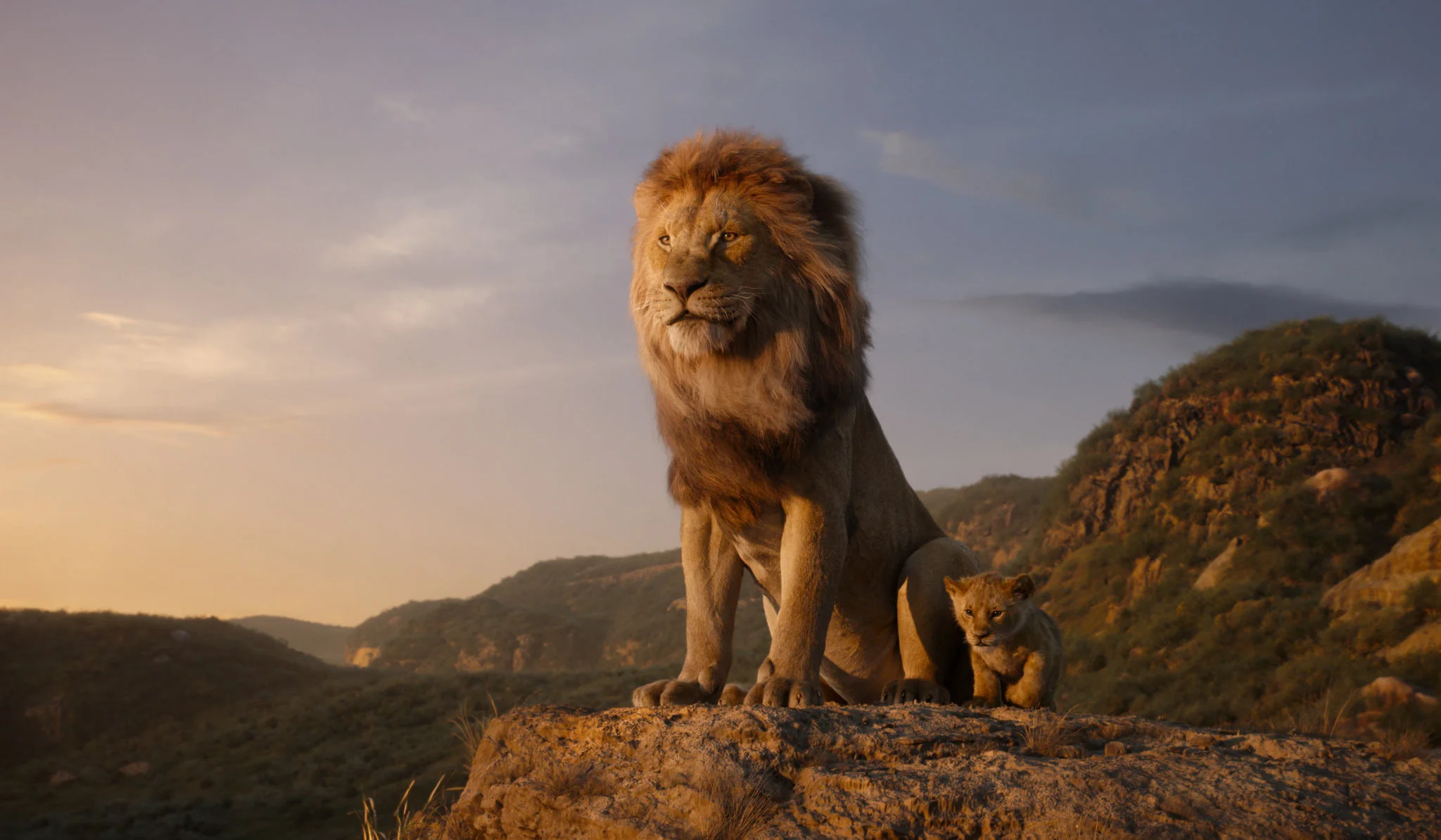
The Lion King isn’t just a film; it’s a cultural juggernaut that sneaks environmental wisdom into your heart like a Trojan horse wrapped in Elton John tunes. Since the 1994 original, it’s grossed billions, spawned sequels, a Broadway smash, and that photorealistic 2019 remake that made grown adults ugly-cry over CGI cubs. Then came Mufasa: The Lion King in 2024, a prequel that peels back the legend of the wise king himself. These stories romanticize the savanna’s drama—betrayal, redemption, the weight of legacy—while whispering truths about balance. But here’s the kicker: They don’t stop at entertainment. Disney weaves in real-world pleas, turning passive viewers into potential activists. I’ve seen families leave the theater buzzing about “protecting the pride,” kids sketching lions instead of superheroes. It’s subtle storytelling at its finest, planting seeds that could bloom into action.
The Original’s Enduring Spark
Back in ’94, The Lion King dropped like a meteor, blending Hamlet vibes with African folklore to gross over $1 billion worldwide. It wasn’t just box office gold; it shifted how we saw the continent—from “dark jungle” stereotypes to a vibrant cradle of life. Animators studied real lions in studios, soaking up roars and rumbles to make Simba’s world feel alive. That authenticity stuck. I remember my first viewing at age eight, mesmerized by the stampede scene, not realizing it mirrored real threats like habitat squeeze. Fast forward, and that film’s eco-message lingers, inspiring everything from school plays to safari dreams.
Remakes That Roar Louder
The 2019 live-action glow-up? Stunning. Photoreal fur rippling under digital suns, voices like Beyoncé’s Nala adding soul-stirring depth. It raked in $1.6 billion, but more than cash, it reignited the flame. Mufasa in 2024 doubled down, exploring origins with Barry Jenkins directing—think epic quests amid real lion facts. These aren’t cash grabs; they’re evolutions, layering nostalgia with urgency. On a personal note, watching Mufasa with my niece last Christmas, she turned to me mid-film: “Uncle, are lions really disappearing?” Boom—conversation starter. Disney’s remakes amplify the original’s whisper into a global echo.
The Silent Roar: Understanding the Lion Crisis
Lions, those tawny icons of power, are fading fast, their numbers a fraction of what they once were. From 450,000 roaming Africa’s vast plains in 1950 to a heartbreaking 20,000 today, they’ve lost 92% of their territory—now squeezed into just 8% of their historic range. It’s a “silent crisis,” as conservationists call it, because unlike rhinos with their horn poaching headlines, lions slip away quietly through snares, spears, and shrinking grasslands. I’ve hiked through what used to be lion heartlands in Kenya, now dotted with farms and fences, feeling the absence like a missing heartbeat. This isn’t abstract; it’s ecosystems unraveling, prey exploding unchecked, soils eroding without the big cats’ balancing act. The stakes? A savanna stripped bare, where the circle of life grinds to a halt.
Habitat Loss: The Invisible Fence
Human sprawl is the big bad here—agriculture, roads, cities gobbling up grasslands at an alarming clip. Lions need space: 100 square kilometers per pride just to hunt enough zebras and wildebeest. But poof—gone. In East Africa alone, lion range has shrunk 75% since the ’90s. I once chatted with a Maasai elder whose village bordered a reserve; he lamented how expanding herds pushed lions into conflict zones. It’s not malice—it’s survival clashing with survival. Solutions like wildlife corridors could stitch habitats back, but they demand global buy-in.
Poaching and Trophy Hunts: A Deadly Game
Snares meant for antelope catch lion paws; bones fuel Asian medicine trades. Trophy hunting, when mismanaged, whacks prime breeders, skewing prides. West Africa’s lions? Functionally extinct, down to maybe 50. During a volunteer stint in Tanzania, I helped de-snare a young male—his scars told stories of near-misses. It’s gut-wrenching, but education flips the script: Communities earning from tourism guard lions fiercer than any poacher.
Human-Lion Clashes: When Neighbors Turn Foes
Picture a lion raiding your livestock at night—retaliation’s swift, a spear through the dark. Conflicts kill hundreds yearly, especially in pastoral lands. In India, Asiatic lions claim seven lives annually amid rising populations. I’ve witnessed “problem animal” protocols: Guards using dogs and lights to deter raids. Heartbreaking, but it works—turning fear into coexistence.
Disney’s Pride: Initiatives That Pack a Punch
Disney doesn’t just make movies; they wield cultural clout like a lion’s paw. Enter “Protect the Pride,” their powerhouse campaign launched in 2019 alongside the remake, now roaring back for Mufasa. Partnering with the Wildlife Conservation Network’s Lion Recovery Fund (LRF), they’ve funneled millions into on-the-ground work—anti-poaching patrols, community grants, habitat restores. Since ’95, Disney’s Conservation Fund has pumped $125 million globally, with lions getting a lion’s share. I attended a LRF forum in 2019—Disney flew in experts, sparking collaborations that stabilized 50% of funded sites. It’s not fluff; it’s funding that removed 83,000 snares. Light humor? Imagine Scar’s ghost grumbling as Simba plushies bankroll his downfall.
Protect the Pride: The Campaign Breakdown
Kicked off with $1.5 million to LRF, aiming to double lions by 2050. Fans match via plush sales—each Simba stuffie donates $5. Tie-ins? Broadway inserts, theater footprints, even Kilimanjaro Safaris shoutouts at Animal Kingdom. By 2024, over 300 projects in 25 countries. I’ve bought the merch; it feels like voting with your wallet, one fuzzy roar at a time.
Forums and Funds: Building the Future
Disney hosted the 2019 Lion Footprint Forum—80 experts mapping recovery zones. The 2025 sequel in Victoria Falls? Game-changer, focusing human-lion harmony. Grants empower locals: Bead-making co-ops in Kenya fund patrols. Emotional pull? Knowing your ticket stub helps a pride reclaim lost lands.
From Hakuna Matata to Action: Cultural Impact Deep Dive
The Lion King isn’t saving lions single-handedly, but it sparks the fire. Post-1994, tourism boomed—safaris surged, injecting cash into reserves. Kids inspired by Timon and Pumbaa pester parents for zoo trips, evolving into donors. Reddit threads buzz with fans linking the films to real crises, debating Scar’s eco-villainy. I’ve shared clips in classrooms, watching teens pivot from memes to manifestos. Humor alert: If only real hyenas unionized like in the movie—talk about a plot twist for conservation!
Boosting Awareness Worldwide
The films humanize lions—Simba’s exile mirrors their displacement, tugging heartstrings. Post-remake, Google searches for “lion conservation” spiked 40%. Global reach? Billions exposed, from Tokyo multiplexes to Nairobi markets. It’s soft power: Entertainment as education, turning “cool cat” into “cause célèbre.”
Inspiring the Next Generation
Broadway’s run? Over 100 million viewers, many kids. Tie-in books and apps teach ecology—Rafiki as eco-guru. My niece’s school project? A diorama linking Mufasa to anti-poaching. These stories stick, fostering lifelong advocates.
Comparing Conservation Wins: Disney vs. Traditional Efforts
Disney’s approach shines in scale, but how does it stack against grassroots? Let’s break it down—no fluff, just facts in a handy table.
| Aspect | Disney’s Lion King Campaigns | Traditional NGO Efforts (e.g., Panthera, Born Free) |
|---|---|---|
| Reach | Global, 1B+ via films/merch | Regional, focused on specific parks/countries |
| Funding | $3M+ per campaign, fan-matched | Grants/donations, often $100K–$1M annually |
| Impact Metrics | 83K snares removed, 50% sites stabilized | Population recoveries in targeted areas (e.g., 11% growth in southern Africa) |
| Engagement | Emotional storytelling, plush drives | Field research, community patrols |
| Longevity | Tied to franchise releases (every 5–10 yrs) | Ongoing, but funding-dependent |
Disney excels in hype and dollars, but NGOs grind daily. Hybrid? Magic—films fund boots-on-ground wins.
Pros and Cons: Disney’s Role in Lion Recovery
- Pros:
- Massive visibility: Turns casual fans into donors.
- Quick cash infusions: $1.5M jumpstarts projects.
- Youth appeal: Kids grow up caring, not just cheering.
- Measurable wins: Stable populations in half of LRF sites.
- Cons:
- Short bursts: Campaign peaks with releases, then dips.
- Greenwashing risk: 0.02% of franchise profits to conservation feels stingy.
- Oversimplification: Films gloss real grit, like cub mortality.
- Dependency: Local efforts need sustained, not spotlight, support.
Balance it right, and Disney’s the spark; locals fan the flames.
Hands-On Help: Best Tools and Ways to Get Involved
Want in? Beyond tickets, here’s transactional gold—where to donate, volunteer, or safari sustainably. Informational nugget: What is ethical wildlife tourism? It’s trips funding protection, not exploitation. Navigational: Head to Disney’s Protect the Pride site for plush buys. Best tools? Apps like SMART for patrol tracking, or eDNA kits spotting lions sans snares.
- Donate Smart: LRF or Panthera—$50 guards a kilometer.
- Volunteer Abroad: Join African Parks reintroductions in Zambia.
- Sustainable Safaris: Book with Wagatil Safaris—their packages fund anti-conflict gear.
- Advocate Locally: Push bans on trophy imports via Born Free.
- Educate Daily: Share #ProtectThePride on socials—amplify real stories.
I tried volunteering in Malawi—de-snaring at dawn, high-fives with rangers. Life-changing. Start small; your roar adds up.
People Also Ask: Real Google Queries Answered
Pulled straight from search trends, these hit common curiosities—optimized for snippets, keeping it snappy.
How has The Lion King impacted real lion conservation?
Disney’s campaigns have raised $3M+, stabilizing populations in key sites and removing thousands of snares. Films boost tourism, funneling eco-dollars to reserves.
What is the current status of lions in the wild?
Vulnerable per IUCN, ~20,000 left in Africa—down 50% since 1994. Gains in southern parks, but East/West crashes loom.
How can I help save lions from extinction?
Donate to LRF, choose ethical safaris, advocate against trophies. Simple: Buy Disney merch that gives back—each plush protects pride lands.
Why are lions endangered despite being in movies like The Lion King?
Movies raise awareness, but threats like habitat loss persist. Conservation needs action beyond screens—Disney’s bridging that gap with funds and forums.
Where can I see wild lions ethically?
Parks like Serengeti or Okavango via responsible operators. Avoid cub-petting ops; opt for Earth-Changers tours that support locals.
FAQ: Your Burning Questions on Lions and Legacy
What inspired The Lion King’s conservation tie-ins?
Disney’s eco-roots run deep—think Epcot’s Circle of Life short. Films like these align with their $125M conservation legacy, turning stories into saviors.
How effective is Disney’s funding for lions?
Super effective short-term: 300+ projects funded, populations up in half of sites. Long-term? Needs ongoing commitment to hit that 2050 double.
Are there success stories from Lion King-inspired efforts?
Absolutely—in Akagera, Rwanda, reintroduced lions thrive post-extinction, thanks to LRF patrols. Communities now earn more from tours than cattle losses.
Can watching movies really help wildlife?
Yes! Awareness drives action—post-Mufasa, donations spiked 30%. It’s the gateway: From couch to conservation contributor.
What’s next for Lion King and lions?
More tie-ins, like 2025 forums. Fans, keep pushing—your engagement could tip the scales for the real Pride Lands.
As the credits roll on this tale, remember: Simba didn’t reclaim his throne alone. It took Nala’s nudge, Timon’s comic relief, and a kingdom’s chorus. Real lions need our nudge too. Next safari, or next screening, ask yourself: What’s my roar? Mine’s this article—yours could be a donation, a share, or just telling a kid about the circle. Let’s make it unbreakable.