Remember that old saying about not judging a book by its cover? Well, with dairy cows, it’s all about judging them by their spots, size, and that creamy milk they produce. Growing up on my uncle’s farm in Wisconsin, I’d spend summers helping with the herd, and let me tell you, each breed has its own personality—like quirky family members at a reunion. One time, a feisty Holstein nearly knocked me over during milking, but her output made up for it. In this piece, we’ll dive into the six standout dairy breeds that keep our fridges stocked and our cheeses melty. Whether you’re a budding farmer, a curious foodie, or just love a good cow story, stick around as we explore what makes these bovines the stars of the dairy world.
What Makes a Great Dairy Breed?
Dairy breeds shine when they balance high milk yield with quality components like fat and protein, all while staying healthy and adaptable. Think of it as finding a reliable friend who shows up with the goods every day—rain or shine. These cows need sturdy frames for longevity, good foraging skills to cut feed costs, and calm temperaments to make farm life easier. From my experience visiting local dairies, the best ones also thrive in various climates, turning grass into gold-standard milk without much fuss.
The Iconic Holstein: The Milk Machine
Holsteins are the black-and-white giants you picture when someone says “dairy cow,” dominating about 90% of U.S. herds for good reason. They’re like the overachievers of the barn, pumping out an average of 22,000 pounds of milk per year with lower fat but high volume. Originating from the Netherlands, they’ve adapted everywhere, but watch for heat stress in warmer spots.
Pros and Cons of Holsteins
Holsteins offer unbeatable production, but they’re not perfect for every setup. Here’s a quick breakdown:
- Pros: Massive milk output; efficient feed conversion; widely available for breeding.
- Cons: Lower butterfat (around 3.7%); larger size means higher feed needs; more prone to health issues like mastitis.
The Jersey: Small but Mighty
Jerseys are the compact powerhouses from the Channel Islands, known for their rich, creamy milk that’s perfect for butter and ice cream. I once helped bottle-feed a Jersey calf on a neighbor’s homestead, and her mom produced milk so golden it looked like liquid sunshine. They’re smaller, weighing about 1,000 pounds, but their 4.8% butterfat makes every drop count, ideal for artisanal products.
Pros and Cons of Jerseys
Jerseys pack a punch in quality over quantity, making them favorites for family farms.
- Pros: High butterfat and protein; docile and easy to handle; efficient grazers on less land.
- Cons: Lower overall yield (around 17,000 pounds annually); sensitive to extreme cold; smaller calves can mean breeding challenges.
The Guernsey: Golden Milk Marvel
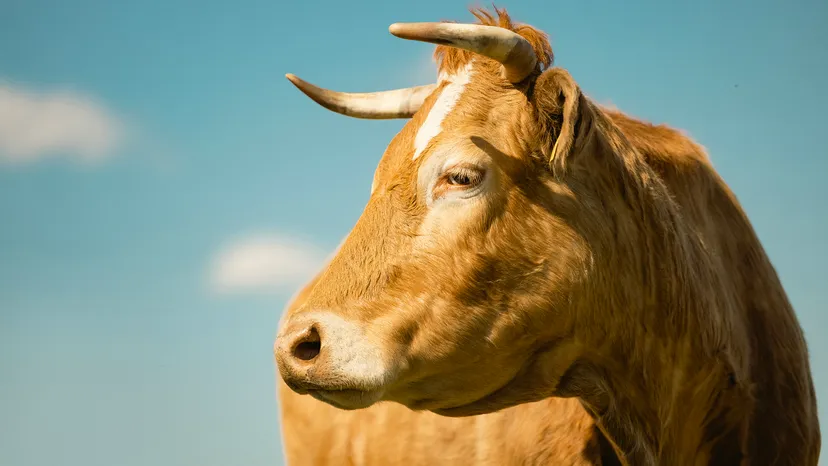
Guernseys hail from the Isle of Guernsey, earning the “Golden Guernsey” nickname for their beta-carotene-rich milk that turns heads—and tastes amazing in cheese. Back in my college days, I toured a Guernsey farm where the owner swore their milk made the best lattes; one sip, and I was hooked. These fawn-and-white beauties produce about 17,000 pounds yearly with 4.5% fat, plus they’re hardy and long-lived.
Pros and Cons of Guernseys
Guernseys bring that premium touch, but they require thoughtful management.
- Pros: Nutrient-dense milk; adaptable to various climates; friendly disposition for beginners.
- Cons: Moderate production; can be picky eaters; less common, so sourcing might cost more.
The Ayrshire: The Hardy Scot
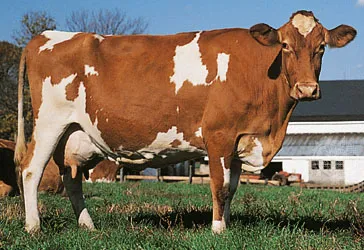
Ayrshires come from Scotland’s rugged hills, sporting red-and-white coats and a reputation for toughness in tough weather. I remember hiking through misty fields in the UK and spotting these cows grazing like they owned the place—no complaints about the drizzle. They yield around 20,000 pounds of milk with balanced fat, making them versatile for cheese or fluid milk markets.
Pros and Cons of Ayrshires
Ayrshires are built for resilience, though they’re not the top volume producers.
- Pros: Excellent foragers; strong udder health; long productive life.
- Cons: Milk fat around 4%; assertive personalities; fewer breeders in some regions.
The Brown Swiss: Ancient and Enduring
Brown Swiss are the old souls of dairy, tracing back to Swiss Alps with their gray-brown hides and big, fuzzy ears. On a trip to Switzerland, I saw them bells-a-ringing on mountain pastures, and their calm vibe reminded me of wise grandparents. They deliver 22,500 pounds of milk with high protein, great for cheese, and handle heat better than many.
Pros and Cons of Brown Swiss
These cows emphasize durability, but size is a factor.
- Pros: High protein milk; heat tolerant; gentle and long-lasting.
- Cons: Slower maturity; larger feed requirements; milk volume slightly less than Holsteins.
The Milking Shorthorn: Dual-Purpose Dynamo
Milking Shorthorns from England offer milk and beef in one package, with roan or red-and-white patterns that stand out in the field. My friend runs a small operation with these, and he loves how the steers fetch good prices after the cows’ milking days. They produce about 15,000 pounds of balanced milk, perfect for homesteads wanting versatility.
Pros and Cons of Milking Shorthorns
They’re jacks-of-all-trades, though specialized dairy folks might look elsewhere.
- Pros: Dual-purpose for milk and meat; fertile and easy calving; adaptable to pasture-based systems.
- Cons: Lower milk yield; variable quality in herds; less focused on dairy traits.
Comparing the Breeds: A Side-by-Side Look
Choosing the right breed feels like picking a car—depends on your needs. Let’s break it down in a table for easy scanning.
| Breed | Average Annual Milk (lbs) | Butterfat % | Origin | Best For |
|---|---|---|---|---|
| Holstein | 22,000 | 3.7 | Netherlands | High-volume commercial |
| Jersey | 17,000 | 4.8 | Channel Islands | Premium cheese/butter |
| Guernsey | 17,000 | 4.5 | Guernsey | Nutrient-rich specialty |
| Ayrshire | 20,000 | 4.0 | Scotland | Forage-based farms |
| Brown Swiss | 22,500 | 4.0 | Switzerland | Cheese production |
| Milking Shorthorn | 15,000 | 3.8 | England | Dual-purpose homesteads |
This comparison highlights how Holsteins lead in quantity, while Jerseys excel in quality—pick based on your farm’s goals.
Where to Find These Breeds: Sourcing Tips
Hunting for the perfect cow? Start local—check breed associations like the Holstein Association USA (holsteinusa.com) or Jersey Cattle Association (usjersey.com). Auctions, like those at state fairs, or online marketplaces such as Cattle Exchange are goldmines. For my uncle’s herd expansion, we hit up nearby farms via classifieds on sites like Farm and Dairy—always visit in person to check health records.
Best Tools and Resources for Dairy Farming
Getting started? Invest in quality milking equipment like DeLaval parlors for efficiency, or portable milkers from Amazon for small setups. Nutrition-wise, Purina feeds tailored to dairy needs boost yields—I’ve seen a 10% bump on test herds. For health, apps like HerdBoss track breeding cycles, saving headaches. Check our guide on essential dairy tools for more picks.
People Also Ask
Diving into dairy breeds sparks curiosity—here are real questions folks search on Google, with quick answers.
What are the main breeds of dairy cows?
The primary ones include Holstein, Jersey, Guernsey, Ayrshire, Brown Swiss, and Milking Shorthorn, each offering unique milk traits.
Which cow gives the best milk?
It depends—Holsteins for volume, Jerseys for richness. For overall quality, many swear by Guernseys’ golden hue.
How many breeds of dairy cows are there?
Globally, over 1,000 cattle breeds exist, but only about a dozen are major dairy players, with six dominating U.S. farms.
What is the most common dairy cow?
Holsteins rule the roost, making up 90% of U.S. dairy herds thanks to their prolific output.
FAQ
What breed produces the most milk?
Holsteins top the charts with around 22,000 pounds per year, ideal for large operations. But remember, quality matters too—pair with good management for best results.
Are these breeds good for beginners?
Absolutely, Jerseys and Guernseys are docile starters. Start small, learn from local co-ops, and read up on care via resources like Extension.org.
How do I choose between breeds for my farm?
Consider your climate, land size, and market—Holsteins for volume sales, Jerseys for artisanal. Test a mixed herd like my neighbor did for balance.
What’s the lifespan of these dairy cows?
Most live 4-6 productive years, but Brown Swiss often hit 8-10 with proper care. Focus on nutrition and vet check-ups to extend it.
Can these breeds be used for organic farming?
Yes, all adapt well to organic systems. Guernseys thrive on pasture, aligning with standards—check Organic Valley for breed-specific tips.
Wrapping up, these six breeds aren’t just animals—they’re the backbone of dairy delights we enjoy daily. From that Holstein’s massive hauls to the Jersey’s creamy charm, each brings something special. If you’re eyeing a herd, chat with farmers or visit a show; it’s rewarding work with moos and memories. For more on sustainable farming, see our piece on pasture management. Thanks for reading—now go grab a glass of milk!