I remember as a kid tagging along with my grandpa to his old farm in rural Iowa. He’d point out the massive oxen hitched to the plow, their muscles rippling as they turned the soil, while the cows lounged in the pasture, munching grass and occasionally lowing at their calves. It struck me even then how these animals, from the same bovine family, served such wildly different roles—one built for brute strength and labor, the other for nurturing life and providing sustenance. That childhood curiosity sparked my lifelong interest in agriculture, leading me to study animal husbandry and work on farms across the Midwest. Today, let’s dive into the fascinating world of oxen and cows, exploring their differences and uses without any bovine confusion.
Understanding the Basics: What is an Ox?
Picture a sturdy, no-nonsense workhorse of the animal world—that’s your ox. Essentially, an ox is a castrated male bovine, trained from a young age to pull heavy loads like plows or carts. They come from the same species as domestic cattle, Bos taurus, but their role demands strength and docility, achieved through castration to temper aggression.
These beasts have been humanity’s partners in toil for millennia, often yoked in pairs for efficiency. I once helped train a pair on a heritage farm, and let me tell you, their ability to respond to simple commands like “gee” for right or “haw” for left is impressive. Without that training, they’re just steers—castrated males without the work ethic drilled in.
What is a Cow?
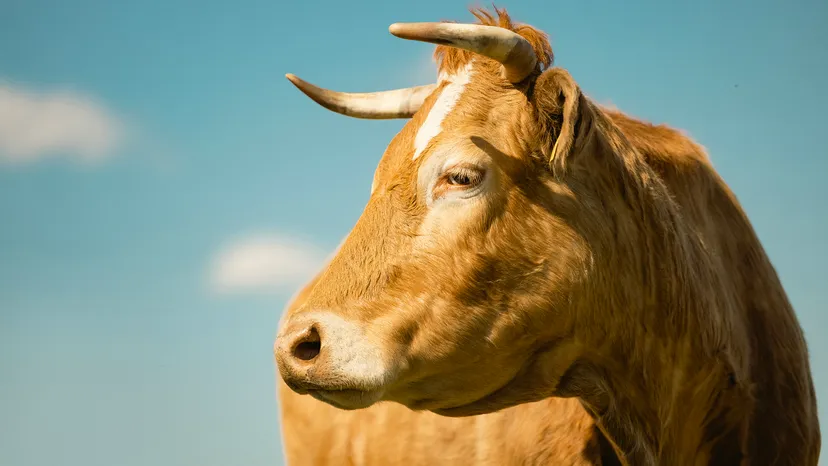
Shift gears to the gentler side, and you’ve got the cow—an adult female bovine that’s given birth at least once. She’s the heart of dairy and beef operations, producing milk after calving and often raising the next generation of herd members. Unlike oxen, cows aren’t altered for temperament; their natural maternal instincts shine through.
On my aunt’s dairy farm, I’d watch the cows line up for milking twice a day, their udders full and ready. It’s a rhythmic life, focused on reproduction and nourishment rather than heavy lifting. Cows reach maturity around two years old, quicker than oxen, making them vital for sustaining farm productivity.
Key Differences Between Ox and Cow
At first glance, oxen and cows might look similar—both large, horned in many breeds, and part of the cattle family. But dig deeper, and their distinctions emerge in sex, purpose, and build. An ox is typically a castrated male geared for draft work, while a cow is a fertile female focused on milk and calves—think laborer versus provider.
This split isn’t just semantics; it shapes their lives profoundly. From my farm experiences, I’ve seen how castration makes oxen more even-tempered for long hours in the field, whereas cows’ hormones drive their nurturing behaviors. It’s nature’s way of specializing within the species.
Physical Differences
Oxen tower over cows in size and muscle, often weighing up to 2,200 pounds with broad shoulders built for yokes. Cows top out around 1,760 pounds, with wider hips suited for birthing and prominent udders for milk. Their builds reflect roles—oxen rugged for endurance, cows streamlined for efficiency.
I chuckled once when a city friend mistook an ox for a “big cow”; the difference is stark up close. Oxen have thicker necks and larger heads, while cows appear more angular. Both stand about five feet at the shoulder, but oxen feel like gentle giants.
Behavioral Differences
Training turns oxen into obedient workers, responding to voice cues and whips with calm precision. Cows, untrained for labor, exhibit herd instincts and maternal protectiveness, often more skittish around humans unless handled regularly. It’s like comparing a seasoned truck driver to a family van operator.
On farms, this means oxen plod steadily through tasks, while cows prioritize feeding and bonding with calves. Humorously, if oxen had resumes, they’d list “team player” under skills—cows might say “multitasker extraordinaire.”
| Aspect | Ox | Cow |
|---|---|---|
| Sex | Castrated male (usually) | Mature female (post-calving) |
| Primary Use | Draft work, pulling loads | Milk production, breeding, meat |
| Average Weight | Up to 2,200 lbs | Up to 1,760 lbs |
| Training Required | Yes, from young age | No, focused on husbandry |
| Lifespan | 15-20 years (work till retirement) | 15-20 years (productive till 10-12) |
| Temperament | Docile, trainable | Maternal, herd-oriented |
Historical Uses of Oxen in Farming
Oxen have pulled civilization forward since around 4000 BC, plowing fields and hauling goods in ancient societies from Egypt to England. Their strength made them indispensable before tractors, breaking tough soil where horses faltered. In my research trips to historical sites, I’ve seen replicas of yokes that highlight their enduring design.
Even in the 20th century, oxen persisted in places like the American South or rural Asia for logging and transport. It’s emotional thinking how these animals enabled human progress, often at great personal cost. Today, they’re a nod to sustainable, low-tech farming.
- Plowing fields: Ideal for wet or clay soils where machinery bogs down.
- Hauling carts: Transported crops and materials over rough terrain.
- Threshing grain: Trampled harvests to separate seeds efficiently.
- Logging: Skidded trees in forests without damaging the ecosystem.
- Irrigation: Powered simple machines for water distribution.
Modern Uses of Cows in Agriculture
In today’s world, cows dominate dairy and beef industries, with breeds like Holstein-Friesian yielding massive milk volumes—up to 22 liters daily. They’re the backbone of global food chains, from cheese to leather byproducts. Visiting modern farms, I’m always amazed by automated milking parlors that make the process humane and efficient.
Beyond food, cows contribute manure as natural fertilizer, boosting soil health without chemicals. It’s a full-circle role, supporting sustainable practices. But intensive farming raises welfare concerns, something I’ve debated with fellow agriculturists.
Pros and Cons of Using Cows in Farming
Pros:
- High milk yield for dairy products like butter and yogurt.
- Natural manure enriches soil, reducing synthetic fertilizer needs.
- Versatile for beef after dairy phase, maximizing value.
- Supports biodiversity in grazing systems.
Cons:
- Requires annual calving, leading to surplus calves.
- Vulnerable to diseases in crowded operations.
- High feed and water demands strain resources.
- Environmental impact from methane emissions.
Ox vs. Cow: A Side-by-Side Comparison in Today’s World
In modern agriculture, oxen shine in niche, eco-friendly setups like small-scale organic farms or developing regions without machinery access. They’re cheaper to maintain, self-replicating, and gentler on the land than tractors. Cows, meanwhile, fuel industrial-scale dairy and beef, with tech like robotic milkers boosting efficiency.
But choosing between them? Oxen suit labor-intensive, low-input farming—think pulling plows in hilly terrains where machines slip. Cows excel in high-output systems, providing steady income from milk sales. From my time advising farmers, blending both can create resilient operations, like using oxen for fieldwork and cows for revenue.
Emotionally, oxen evoke a romantic past, while cows represent progress. Yet both face challenges: oxen declining due to mechanization, cows under scrutiny for sustainability. The key is ethical husbandry—happy animals mean better farms.
People Also Ask
Drawing from common Google searches, here are real questions people ask about oxen and cows, with straightforward answers based on reliable sources.
Is an ox the same as a cow?
No, they’re not identical—both are bovines, but an ox is a trained, castrated male for work, while a cow is a female that’s calved, used for milk or breeding.
What is stronger, an ox or a cow?
An ox is generally stronger due to its larger size and muscular build tailored for heavy labor, outweighing cows by hundreds of pounds.
Can a cow be used as an ox?
Rarely—female bovines can be trained as oxen in some cultures, but they’re smaller and often prioritized for reproduction and milk.
Why are oxen used instead of horses?
Oxen pull heavier loads steadily over time, thrive on poorer forage, and handle tough soils better, though slower than horses.
Where to Get Started with Oxen or Cows
If you’re eyeing oxen for draft work, check local heritage breeds associations or farms in areas like New England—places like Billings Farm offer insights and training resources. For cows, dairy co-ops or auctions in states like Wisconsin are great; visit USDA’s cattle resources for guides.
Internally, explore our beginner’s guide to cattle breeding for tips on starting a herd.
Best Tools and Breeds for Oxen and Cow Management
For oxen, invest in quality yokes from suppliers like Pioneer Equipment—durable wood ones cost $200-500. Best breeds? Chianina or Devon for strength.
Cows thrive with automated milkers from brands like DeLaval, priced $10,000+, boosting efficiency. Holstein for dairy, Angus for beef—check our breed comparison tool for details.
FAQ
What is the main difference between an ox and a cow?
The primary distinction is role and sex: oxen are castrated males trained for draft work, while cows are females for milk and calves.
Are oxen still used in farming today?
Yes, especially in sustainable or developing agriculture for plowing and hauling, offering low-cost, eco-friendly alternatives to machines.
How do cows contribute to the environment?
Cows provide natural manure fertilizer, but methane emissions are a concern—regenerative grazing helps mitigate this.
Can you eat ox meat?
Absolutely, though it’s tougher and gamier than beef from steers; often used after the ox retires from work.
What breeds make the best oxen?
Larger ones like Holstein or Brown Swiss, castrated young for training—focus on temperament and size for effectiveness.
In wrapping up, oxen and cows remind us of nature’s versatility within one species. Whether you’re a farmer pondering additions to your operation or just curious like I was as a kid, appreciating these animals enriches our connection to the land. If you’ve got farm stories, share them—nothing beats real-life tales over a cup of coffee.