Ever walked into a barn during fall and wondered if someone spilled a mix of old gym socks and cheap cologne? That’s the unmistakable whiff of a goat buck in his prime. I remember my first encounter with it vividly—visiting a friend’s small farm upstate, excited to meet her new herd. She warned me about “Billy the buck,” but nothing prepared me for that pungent cloud. It hit like a wave, making my eyes water, yet the does seemed utterly charmed. Turns out, this “eau du goat” isn’t a flaw; it’s nature’s quirky way of ensuring the species thrives. If you’re a goat owner, enthusiast, or just curious about farm life, let’s dive into why male goats develop this potent scent and how to handle it without losing your lunch.
Understanding Goat Bucks and Their Unique Aroma
Goat bucks, those rugged males of the caprine world, transform during breeding season into walking perfume factories. It’s not just a random odor—it’s a biological signal honed over centuries. For anyone raising goats, recognizing this helps in managing herds effectively and avoiding surprises.
What Exactly Is a Goat Buck?
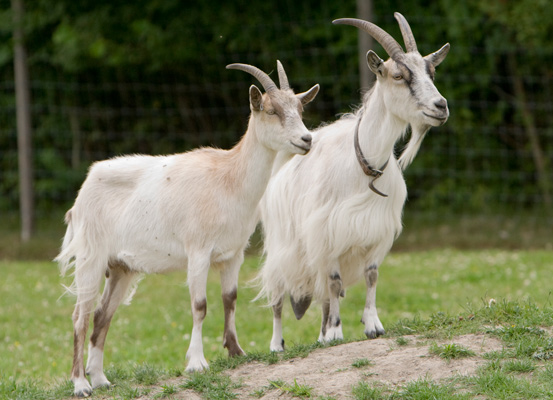
A buck is an intact male goat, typically over a year old, ready for breeding duties. Unlike wethers (castrated males), bucks retain their full hormonal toolkit, which amps up during rut. This period, usually late summer to early winter, turns mild-mannered goats into smelly suitors.
The Role of Scent in Goat Behavior
Scent isn’t just about smelling bad—it’s communication. Bucks use it to signal virility and attract does, who find it irresistible. Picture it as goat Tinder: the stronger the profile (or pong), the more matches. This evolutionary trick ensures successful mating in the wild.
The Science Behind the Stink: Pheromones and More
Diving deeper, the odor stems from a cocktail of chemicals and behaviors. Researchers have pinpointed specific compounds that make bucks reek, turning what seems like a nuisance into fascinating biology. If you’ve ever pondered “why do male goats smell so bad,” science has your back.
Key Chemicals Involved
At the heart is 4-ethyloctanal, a pheromone from buck hair that oxidizes into 4-ethyloctanoic acid—the culprit behind that “goaty” tang. Studies from places like the University of Tokyo highlight how this triggers ovulation in does. It’s not just urine; scent glands near the horns and testes add oily secretions for extra punch.
Behavioral Contributors to the Odor
Bucks don’t help themselves—they urinate on their faces, beards, and legs to amplify the aroma. This self-anointing, combined with rubbing on everything, spreads the scent like wildfire. It’s hilarious to watch but tough on your nostrils, especially in confined spaces.
Seasonal Factors Amplifying the Smell
Rut peaks in fall, driven by shorter days and cooler temps. Hormones surge, making glands hyperactive. Younger bucks (2-4 years) often smell strongest, as their virility is at max. Outside rut, the odor dials down, giving everyone a breather.
Real-Life Stories: Living with Stinky Bucks
I once helped a neighbor during kidding season—her buck, aptly named Stinker, had coated himself so thoroughly that even the barn cats avoided him. We laughed about it over coffee, but it taught me the emotional side: that smell means babies on the way, blending frustration with joy. Many farmers share similar tales, turning a gag-worthy trait into a badge of goat-keeping honor.
My First Buck Encounter
Back when I dabbled in hobby farming, I adopted a rescue buck named Rufus. His arrival coincided with rut, and boy, did the yard announce it. Neighbors joked about my new “perfume line,” but it bonded us—Rufus was gentle despite the funk, reminding me animals have their ways.
Lessons from Veteran Goat Keepers
Friends in online forums like Reddit’s r/goats swear by separation tactics. One shared how her buck’s odor once cleared a family barbecue, leading to creative solutions like downwind pens. These stories build community, showing you’re not alone in the stench.
Comparing Goat Odors to Other Farm Animals
Goats aren’t the only smelly critters—let’s stack them up. This comparison highlights why bucks stand out and offers perspective for multi-animal farms.
| Animal | Odor Source | Intensity (1-10) | Seasonality |
|---|---|---|---|
| Goat Buck | Pheromones, urine, glands | 9 | High in fall |
| Ram (Male Sheep) | Wool oils, urine | 6 | Moderate in breeding season |
| Boar (Male Pig) | Androstenone in saliva | 7 | Year-round, peaks in mating |
| Bull (Male Cow) | Musk from preputial glands | 5 | Low, mostly behavioral |
Bucks top the chart for sheer pungency, but unlike boars, their smell is seasonal and purpose-driven.
Pros and Cons of Keeping Bucks
Pros:
- Self-sufficient breeding saves on stud fees.
- Adds herd dynamics and potential for selling kids.
- Educational for understanding animal behavior.
Cons:
- Intense odor can affect milk taste if not managed.
- Increased aggression during rut requires sturdy fencing.
- Higher feed costs due to hormonal demands.
Managing and Mitigating Buck Odor
No one wants their farm smelling like a forgotten gym bag. Luckily, remedies exist, from DIY hacks to store-bought aids. If you’re searching “goat buck smell remedies,” start here for practical tips.
Natural Remedies for Odor Control
Baking soda sprinkled in pens absorbs ammonia from urine—cheap and effective. Essential oils like lavender mask scents without harming goats. Regular bathing with goat-safe shampoo cuts grease, though bucks resist during rut.
Best Products for Goat Odor Control
For transactional folks, products like Sweet PDZ Stall Refresher neutralize odors naturally (available at Tractor Supply). Buck Off Soap from Caprine Supply tackles hand and cloth smells post-handling. Goat Pen Protector enzymes break down urine—grab it online for barn freshness.
Where to Get Professional Help
Navigational needs? Local co-ops or sites like Dairy Goat Info Forums offer advice. For supplies, head to farm stores or online hubs like Amazon for stall fresheners. Vet consultations ensure health isn’t masking odor issues.
People Also Ask: Common Questions About Goat Buck Smells
Drawing from Google searches, here’s what folks often wonder. These bite-sized answers aim for that featured snippet spot.
How Bad Is Buck Smell Really?
It’s intense—like musky cheese mixed with urine—but varies by buck age and breed. Downwind placement helps; many owners adapt, finding it tolerable outside rut.
Why Do Male Goats Smell So Bad?
Scent glands, pheromones, and self-urination during breeding season create the odor to attract females. It’s evolutionary, not poor hygiene.
Should You Own Your Own Buck Goat?
If space allows and you breed regularly, yes—for control over genetics. But rent one if odor or management daunts you; pros outweigh cons for dedicated keepers.
How to Get Rid of Buck Smell on Clothes?
Wash with vinegar and baking soda; enzyme cleaners like Nature’s Miracle zap it. Avoid fabric softeners—they trap scents.
FAQ: Answering Your Goat Odor Queries
What is the main reason goat bucks smell during breeding season?
Primarily pheromones from scent glands and urine spraying to attract does. This “male effect” triggers female ovulation, ensuring reproduction.
Can you reduce a buck’s smell without castration?
Yes, through regular grooming, pen cleaning with lime or diatomaceous earth, and separating bucks from does outside breeding. Products like stall fresheners help too.
Does buck odor affect goat milk quality?
If bucks are near milking does during rut, yes—it can taint flavor. Keep them separated; many farmers milk before breeding to avoid issues.
Are certain goat breeds smellier than others?
Nubians and Nigerians often have stronger scents due to active glands, while Alpines might be milder. Individual variation plays a big role.
Where can I buy odor control products for goats?
Check farm supply stores like Tractor Supply or online at Amazon and Caprine Supply. For natural options, try local co-ops or DIY with household items.
Wrapping Up: Embracing the Eau du Goat
That buck smell might wrinkle your nose, but it’s a testament to nature’s ingenuity—turning funk into fertility. From my stinky adventures to science-backed insights, understanding it enriches goat ownership. Whether you’re breeding for milk, meat, or fun, manage the odor wisely, and you’ll reap the rewards. If it gets overwhelming, remember: spring kids make it all worthwhile. For more on goat care, check our guide to goat health or external resources like Grit Magazine. Happy farming!