Imagine hiking through the misty hills of Northumberland, the wind whipping at your face, and suddenly spotting a shaggy figure with curved horns staring back at you. That’s how I first encountered the wild Cheviot goats a couple of years ago on a spontaneous trip up north. I was out for a walk along St Cuthbert’s Way, camera in hand, hoping to snap some landscapes. Instead, I got a history lesson in fur and hooves. These aren’t your average farm goats munching hay in a pen – they’re survivors, remnants of Britain’s ancient past. And now, they’ve earned a spot on the rare breed list, a move that’s got conservationists buzzing. It’s a story that blends legend, resilience, and a dash of urgency about saving our native wildlife.
The Moment They Made the List
In July 2024, the Rare Breeds Survival Trust (RBST) added the Cheviot goats to their watchlist in the feral population category. This wasn’t just a bureaucratic tick – it was a lifeline for a breed teetering on the edge. With only about 450 individuals left, including wild herds and those in private hands, the decision highlights their cultural and genetic value. Only 86 females kidded in 2023, a stark reminder of how fragile their future is. As someone who’s seen them up close, it’s heartening to know efforts are ramping up to protect these tough little icons.
Unraveling the Cheviot Goat’s Ancient Roots
Legend has it these goats trace back to 875 AD, when monks fleeing Viking raids from Lindisfarne ditched their feisty livestock in the Cheviot Hills. Whether that’s true or tall tale, their history is documented to at least 1860, predating modern dairy breeds. They’re seen as authentic remnants of Britain’s primitive goats, the kind that sustained early settlers with milk, meat, and hides. My own brush with them felt like stepping into a time warp – these aren’t pampered pets; they’re wild spirits adapted to harsh moors.
Physical Traits That Tell a Story
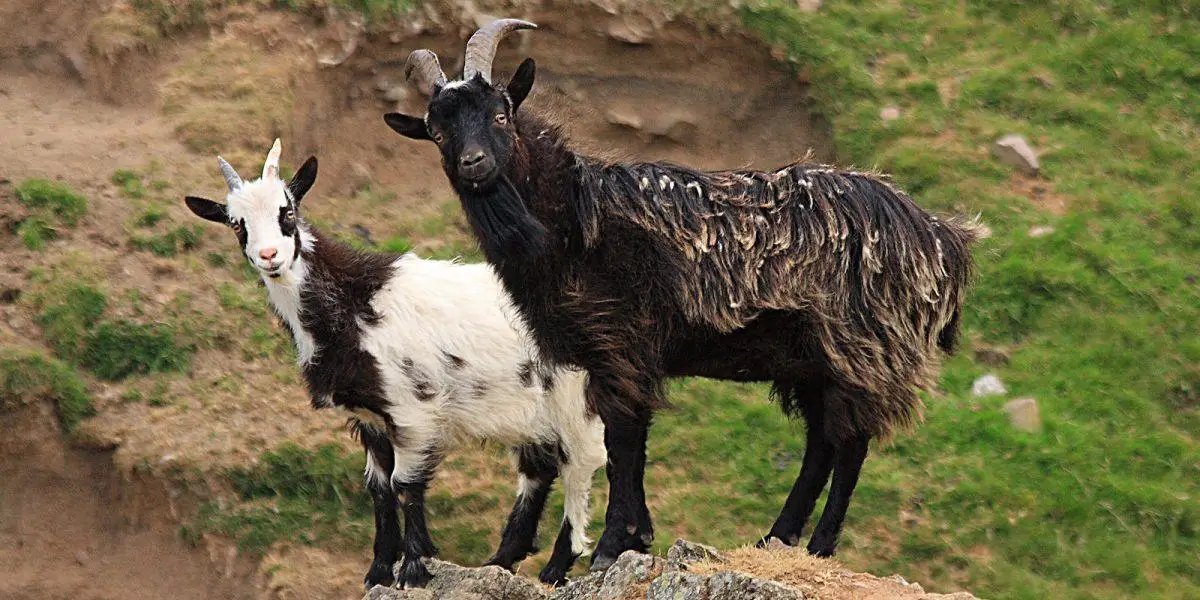
Cheviot goats sport thick, cashmere-heavy coats in shades of grey, white-pied, or dark brown, with strong hooves and sweeping horns. They’re built for survival, not show – hardy enough to withstand biting winds and rugged terrain. Picture a goat that’s part billy, part woolly mammoth; it’s no wonder they thrive where others wouldn’t last a week. I’ve joked with friends that if goats had resumes, these would list “extreme weather expert” at the top.
Their Wild Lifestyle in the Hills
Living feral in places like College Valley, Newton Tors, and Yeavering Bell, these goats roam with minimal human interference. They graze tough vegetation, helping maintain habitats without needing fences or feed. On my hike, I watched a small herd navigate steep slopes like pros – it’s a lifestyle that’s kept them pure-bred for centuries, but it also exposes them to risks like disease and inbreeding.
Why Rarity Matters: The Numbers Don’t Lie
With populations dwindling due to isolation and limited breeding, the Cheviot’s addition to the list underscores a broader crisis for native breeds. Only a fraction are actively reproducing, and without intervention, they could fade away. It’s emotional for me – these goats aren’t just animals; they’re living links to our heritage. Conservationists warn that losing them would erase a piece of Britain’s biodiversity puzzle.
The Role of Inbreeding and Isolation
Long isolation in the hills has preserved their genetics but also heightened inbreeding risks, reducing fertility. Efforts now focus on monitoring bloodlines to keep the herd healthy. It’s like playing genetic chess – one wrong move, and you lose the game.
External Threats Looming Large
Harsh weather, disease, and occasional conflicts with landowners add pressure. Recent reports of goats hit by cars in Northumberland highlight road safety needs. It’s a wake-up call that even wild survivors need a helping hand from us.
Conservation Grazing: Their Superpower
Cheviot goats excel at conservation grazing, munching invasive plants to boost biodiversity in meadows and moors. They’re natural landscapers, supporting wildlife without heavy machinery. In projects across the UK, relocated goats from the herd are proving invaluable. If you’ve ever visited a restored habitat, thank a goat – they do the hard work while looking effortlessly cool.
Benefits for Ecosystems
By controlling scrub and promoting wildflowers, they create havens for birds and insects. It’s a win-win: goats get food, nature gets balance. Studies show grazed areas see up to 30% more species diversity.
Challenges in Implementation
Not all sites suit them – they need space to roam without escaping. Plus, mixing with non-pure breeds risks diluting their genetics, so careful management is key.
Comparing Cheviot Goats to Other Primitive Breeds
Cheviot goats stand out among UK primitives for their feral purity. Here’s a quick comparison:
| Breed | Population Estimate | Habitat | Key Use | Rarity Level |
|---|---|---|---|---|
| Cheviot Goat | ~450 | Wild hills in Northumberland | Conservation grazing | High (Watchlist feral) |
| Old English Goat | ~1,000 | Semi-feral farms | Milk, meat | Moderate |
| Bagot Goat | ~200-300 | Enclosed parks | Ornamental grazing | High |
| Golden Guernsey | ~1,500 | Farms in Channel Islands | Dairy | Moderate |
As you can see, Cheviots are among the scarcest, with their wild status adding unique challenges.
Pros and Cons of Protecting Feral Populations
Pros:
- Preserves ancient genetics for future breeding.
- Boosts tourism in areas like Northumberland National Park.
- Enhances habitat management naturally.
- Cultural heritage value, tying into legends like the Lindisfarne monks.
Cons:
- Potential conflicts with farming or roads.
- High costs for monitoring and relocations.
- Risk of overpopulation in limited areas.
- Difficulty in controlling breeding without intervention.
Overall, the pros outweigh the cons, especially with thoughtful strategies in place.
Where to Spot These Elusive Goats
If you’re keen to see them, head to Northumberland National Park, particularly along trails like the Hethpool Wild Goat Walk. Spots around College Valley offer the best views – just remember binoculars and sturdy boots. For guided tours, check local outfits like Northumberland Walking Holidays. It’s navigational gold for nature lovers.
Best Times for Viewing
Spring and autumn are ideal, when kids are playful and crowds are thin. Avoid winter storms unless you’re as hardy as the goats themselves.
Ethical Watching Tips
Keep distance to avoid stress – these are wild animals, not zoo exhibits. Stick to paths to protect the habitat you’re there to enjoy.
How You Can Support Cheviot Goat Conservation
Want to help? Donate to the RBST or the British Primitive Goat Research Group – every bit counts toward breeding programs. Consider adopting a goat symbolically through their schemes. For hands-on, volunteer with grazing projects or spread awareness on social media. It’s transactional in the best way: your support buys time for these breeds.
Top Tools and Resources for Involvement
- RBST Membership: Join for updates and events (rbst.org.uk).
- Goat Research Group: Learn more and contribute (britishprimitivegoats.org.uk).
- Apps like iNaturalist: Track sightings to aid censuses.
- Books: “The Wild Goats of Great Britain” for deep dives.
People Also Ask
What is a Cheviot goat?
A Cheviot goat is a feral breed native to Northumberland’s Cheviot Hills, descended from ancient British primitives. They’re known for hardiness and conservation roles.
Why were wild Cheviot goats added to the rare breed list?
They were added in 2024 due to low numbers (about 450) and breeding challenges, aiming to boost conservation and protect their genetic purity.
Where do Cheviot goats live?
Primarily in wild herds across College Valley, Newton Tors, and Yeavering Bell in Northumberland, with some relocated for grazing schemes.
Are there wild goats in the UK besides Cheviots?
Yes, other feral populations exist in places like Snowdonia and the Scottish Highlands, but Cheviots are unique for their documented ancient lineage.
FAQ
What makes Cheviot goats different from regular goats?
Unlike domesticated breeds focused on milk or meat, Cheviots are feral primitives with adaptations for wild survival, like thick coats and strong hooves. They’re less tame and more ecosystem-focused.
How can I adopt or buy a Cheviot goat?
You can’t buy wild ones, but pure-bred descendants are available through registered breeders via the British Primitive Goat Research Group. Check their site for rehoming opportunities.
What threats do Cheviot goats face today?
Main threats include inbreeding, harsh weather, disease, and human conflicts like road accidents. Conservation efforts aim to mitigate these through monitoring and selective breeding.
Are Cheviot goats good for farming?
They’re excellent for conservation grazing but not ideal for intensive farming due to their wild nature. They’re best suited for eco-projects rather than commercial dairy.
How has the rare breed status changed things?
It provides recognition, funding access, and tourism boosts, helping expand breeding programs and protect habitats in Northumberland.
In wrapping up, the Cheviot goats’ story is one of quiet endurance. From my memorable encounter on those windswept hills to the recent watchlist nod, it’s clear these creatures deserve our attention. They’re not just goats – they’re guardians of our past and keys to healthier futures. If you’re inspired, lace up your boots and head north. Who knows? You might just spot one gazing back, as if to say, “We’ve been here all along – glad you noticed.”