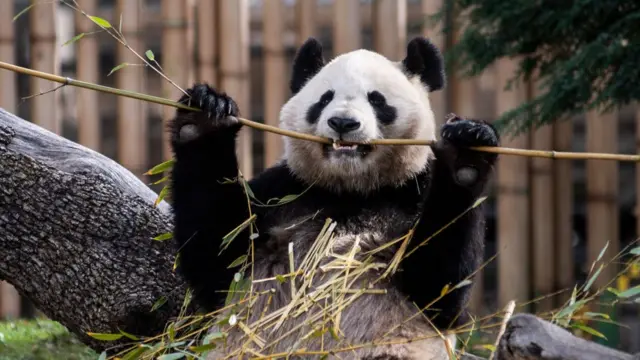
Pandas, with their iconic black-and-white fur and soulful eyes, have captured hearts worldwide. Yet, these beloved creatures are endangered, teetering on the edge of survival. As someone who’s spent countless hours reading about wildlife and visiting conservation centers, I’ve always been fascinated by pandas and their plight. This article dives deep into why pandas are endangered, blending science, stories, and actionable insights to help you understand their struggle and what we can do about it.
The Fragile Status of Pandas
Pandas are classified as endangered on the IUCN Red List, though their status improved from “critically endangered” in 2016 due to conservation efforts. Their population, estimated at around 1,800 in the wild, faces ongoing threats. Understanding why pandas are endangered requires looking at their biology, environment, and human impact.
A Brief History of Panda Populations
Pandas once roamed vast regions of China, Myanmar, and Vietnam. Over centuries, their numbers dwindled, with significant declines in the 20th century. By the 1980s, only about 1,000 pandas remained in the wild, prompting urgent action.
Why Are Pandas So Vulnerable?
Pandas are uniquely susceptible to extinction due to their biology and habitat needs. Their low reproductive rates and specialized diet make recovery challenging. Unlike adaptable species like rats, pandas can’t just “bounce back” easily.
Habitat Loss: The Biggest Threat
The primary reason pandas are endangered is habitat loss. China’s rapid development has fragmented their bamboo forests, leaving pandas with shrinking spaces to live and feed.
Deforestation and Urban Expansion
Since the 1950s, China’s forests have been cleared for agriculture, roads, and cities. Pandas, who rely on bamboo forests, have lost over 50% of their habitat. This fragmentation isolates populations, making breeding harder.
Impact of Climate Change
Climate change is altering bamboo growth patterns. Studies predict that rising temperatures could reduce bamboo availability by up to 37% in some regions by 2050. Without bamboo, pandas face starvation.
Comparison: Pandas vs. Other Endangered Species
| Species | Primary Threat | Population | Habitat Range |
|---|---|---|---|
| Panda | Habitat Loss | ~1,800 | Central China |
| Amur Leopard | Poaching & Habitat Loss | ~100 | Russia/China Border |
| Sumatran Rhino | Poaching | ~80 | Indonesia |
Pandas face unique challenges due to their diet, unlike leopards or rhinos, which have broader food sources but face intense poaching.
Pandas’ Picky Diet
Pandas are famously bamboo-dependent, eating up to 40 pounds daily. This diet, while adorable, is a major reason they’re endangered.
Why Bamboo Is a Problem
Bamboo is low in nutrients, forcing pandas to eat massive quantities. Certain bamboo species also flower and die off in cycles, leaving pandas vulnerable to food shortages. If their habitat shrinks, finding enough bamboo becomes a struggle.
Nutritional Challenges
Pandas’ digestive systems are inefficient at processing bamboo, absorbing only about 20% of nutrients. This means they spend most of their day eating, leaving little energy for other activities like reproduction.
Low Reproductive Rates
Pandas are notoriously bad at reproducing, which doesn’t help their endangered status. Their biology makes population growth a slow process.
Short Breeding Windows
Female pandas are fertile for only a few days each year. In the wild, finding a mate during this window is tricky, especially in fragmented habitats. Captive breeding programs often use artificial insemination to overcome this.
Cub Survival Rates
Panda cubs are born tiny and helpless, weighing just 100–200 grams. About 50% of cubs don’t survive their first year due to disease, malnutrition, or accidents. This low survival rate hinders population recovery.
Human Activities and Poaching
While habitat loss is the main driver, human activities like poaching and infrastructure development also threaten pandas.
Historical Poaching
Poaching for panda pelts was a problem in the early 20th century. Though largely stopped today, illegal hunting still occurs in remote areas. Strict laws in China now impose harsh penalties for poaching.
Infrastructure Development
Roads, dams, and railways cut through panda habitats, isolating populations. For example, the construction of the Qinghai-Tibet Railway disrupted migration routes for some panda groups, reducing genetic diversity.
Conservation Efforts: A Ray of Hope
Despite the challenges, conservation efforts have made a difference. China’s panda reserves and global support are helping pandas recover.
China’s Panda Reserves
China has established over 60 panda reserves, protecting 67% of their habitat. These reserves restrict logging and promote bamboo regrowth, giving pandas safer spaces to thrive.
Role of Zoos and Breeding Programs
Zoos worldwide, like the Smithsonian’s National Zoo, contribute to panda conservation through breeding programs. These efforts have increased the global panda population by about 20% since 2000.
Pros and Cons of Conservation Strategies
Pros:
- Reserves protect large areas of habitat.
- Breeding programs boost population numbers.
- Global awareness encourages funding.
Cons:
- Reserves can displace local communities.
- Captive pandas struggle to adapt to the wild.
- High costs limit scalability.
How You Can Help Pandas
Saving pandas isn’t just for scientists—it’s something we can all contribute to. From donations to sustainable choices, every action counts.
Support Conservation Organizations
Organizations like the World Wildlife Fund (WWF) and Pandas International fund habitat restoration and research. Donating or volunteering with these groups directly supports panda survival.
Adopt Sustainable Practices
Choosing eco-friendly products reduces deforestation and climate change impacts. Look for brands certified by the Forest Stewardship Council (FSC) to ensure sustainable sourcing.
Best Tools for Supporting Panda Conservation
- WWF Donation Platform: Easy-to-use online portal for one-time or recurring donations.
- Pandas International Adoption Program: Symbolic adoptions fund conservation projects.
- Eco-Friendly Shopping Apps: Apps like Good On You help you choose sustainable brands.
People Also Ask (PAA)
Why are pandas so rare?
Pandas are rare due to habitat loss, low reproductive rates, and their specialized bamboo diet. Deforestation has reduced their living space, and their biology makes population growth slow.
Are pandas still endangered in 2025?
Yes, pandas are still endangered, though their status has improved. The IUCN lists them as “vulnerable,” with around 1,800 in the wild, thanks to conservation efforts.
What is being done to save pandas?
China has created panda reserves, banned logging, and supports breeding programs. Global organizations like WWF also fund research and habitat restoration to protect pandas.
Where can I learn more about pandas?
Visit reputable sites like WWF or Pandas International for detailed information. Zoos like the San Diego Zoo also offer educational resources.
FAQ Section
What is the main reason pandas are endangered?
Habitat loss from deforestation and urban expansion is the primary reason. Pandas rely on bamboo forests, which have been reduced by over 50% in recent decades.
How many pandas are left in the wild?
As of 2025, approximately 1,800 pandas remain in the wild, primarily in China’s Sichuan, Shaanxi, and Gansu provinces.
Can pandas survive without bamboo?
No, pandas are highly dependent on bamboo, which makes up 99% of their diet. Without it, they face starvation due to their inefficient digestive systems.
Where can I donate to help pandas?
You can donate through trusted organizations like WWF or Pandas International. Their websites offer secure platforms for contributions.
Are captive pandas helping the wild population?
Yes, captive breeding programs increase panda numbers and genetic diversity. However, reintroducing captive pandas to the wild remains challenging.
A Personal Connection to Pandas
When I visited the Chengdu Panda Base in China, I saw firsthand the dedication of conservationists. Watching a tiny panda cub cling to its mother brought home how fragile their survival is. It’s easy to feel helpless, but every small action—like choosing sustainable products or spreading awareness—adds up. Pandas aren’t just cute; they’re a symbol of what we can achieve when we care.
The Future of Pandas
The fight to save pandas is far from over, but there’s hope. Conservation efforts are working, and global awareness is growing. By supporting sustainable practices and organizations, we can ensure pandas thrive for generations. Let’s keep their black-and-white charm alive in the wild, not just in memes.