Remember those endless days in 2020 when the world felt like it had hit pause? I sure do. Back then, I was holed up in my tiny apartment in Seattle, staring at the same four walls while doom-scrolling through news feeds that only made the knot in my stomach tighter. One rainy afternoon, a friend texted me a link: “Check this out—it’s like therapy, but fluffier.” It was the Smithsonian National Zoo’s Giant Panda Cam, featuring a tiny, pinkish blob of a cub tumbling around with its mom, Mei Xiang. I laughed out loud for the first time in weeks. That little screen became my daily ritual, a soft landing spot amid the chaos. If you’re feeling echoes of those blues today—whether from lingering stress, work overload, or just the weight of it all—let’s talk about how tuning into a baby panda cam can feel like a warm hug from nature itself. These live streams aren’t just cute distractions; they’re backed by real science on mental health perks, and they’re easier to access than ever in 2025.
Why Baby Panda Cams Became a Lifeline During Tough Times
It started as a quiet revolution in 2020, but baby panda cams exploded as virtual escapes when zoos shuttered worldwide. Viewership on platforms like the Smithsonian’s stream skyrocketed by over 3,000% during peak pandemic months, drawing millions who craved connection. For me, it was more than pixels—it was a reminder that life, messy and miraculous, kept rolling on.
These cams offered something rare: unscripted joy in bite-sized moments. A cub’s clumsy roll or a mother’s gentle nudge could pull you out of your head for nine minutes (the average watch time back then), longer than most meditation apps manage on a good day.
Fast forward to now, and they’re still a go-to for anyone battling burnout. With fresh cubs popping up on streams worldwide, they’re not relics of the past—they’re tools for today’s resilience.
The Science Behind the Smiles: How Panda Cams Boost Your Mood
Watching those fuzzy faces isn’t just feel-good fluff; studies show it rewires your brain for the better. Research from the University of Leeds found that 30 minutes of cute animal videos—like baby pandas wrestling bamboo—can slash stress by up to 50%, dropping heart rates and blood pressure to chill levels.
It’s called “emotional contagion,” where the pure, unfiltered happiness on screen seeps into your own wiring, triggering endorphins and dopamine hits that rival a good workout.
Hiroshima University backs this up: participants who viewed panda cams aced focus tasks afterward, proving these streams build mental agility too.
In short, it’s low-effort therapy that fits your coffee break, turning passive scrolling into active healing.
The Role of “Cuteness Overload” in Stress Relief
That big-eyed, round-faced charm? It’s evolutionary catnip. Theorists like Marty Dearie from the National Zoo explain we’re hardwired to adore these features, as they mimic human infants and spark protective instincts.
This “kindchenschema” floods your system with feel-good chemicals, easing anxiety without a single deep breath required.
One study even linked it to better sleep—viewers reported nodding off easier after evening panda sessions, like a digital lullaby.
No wonder my own insomnia improved; who needs counting sheep when you can count somersaults?
Linking Animal Cams to Broader Mental Health Gains
Beyond pandas, the trend ties into “biophilia”—our innate love for living things. A Barcelona Institute review notes digital nature exposure combats isolation, mimicking real-world green space benefits.
For pandemic holdovers like remote work loneliness, it’s a bridge to empathy and calm.
Users in one survey said cams fostered mindfulness, with 70% feeling more connected to the world post-watch.
It’s not a cure-all, but in a screen-heavy life, it’s a smart pivot toward wellness.
What Makes Baby Pandas So Irresistibly Adorable?
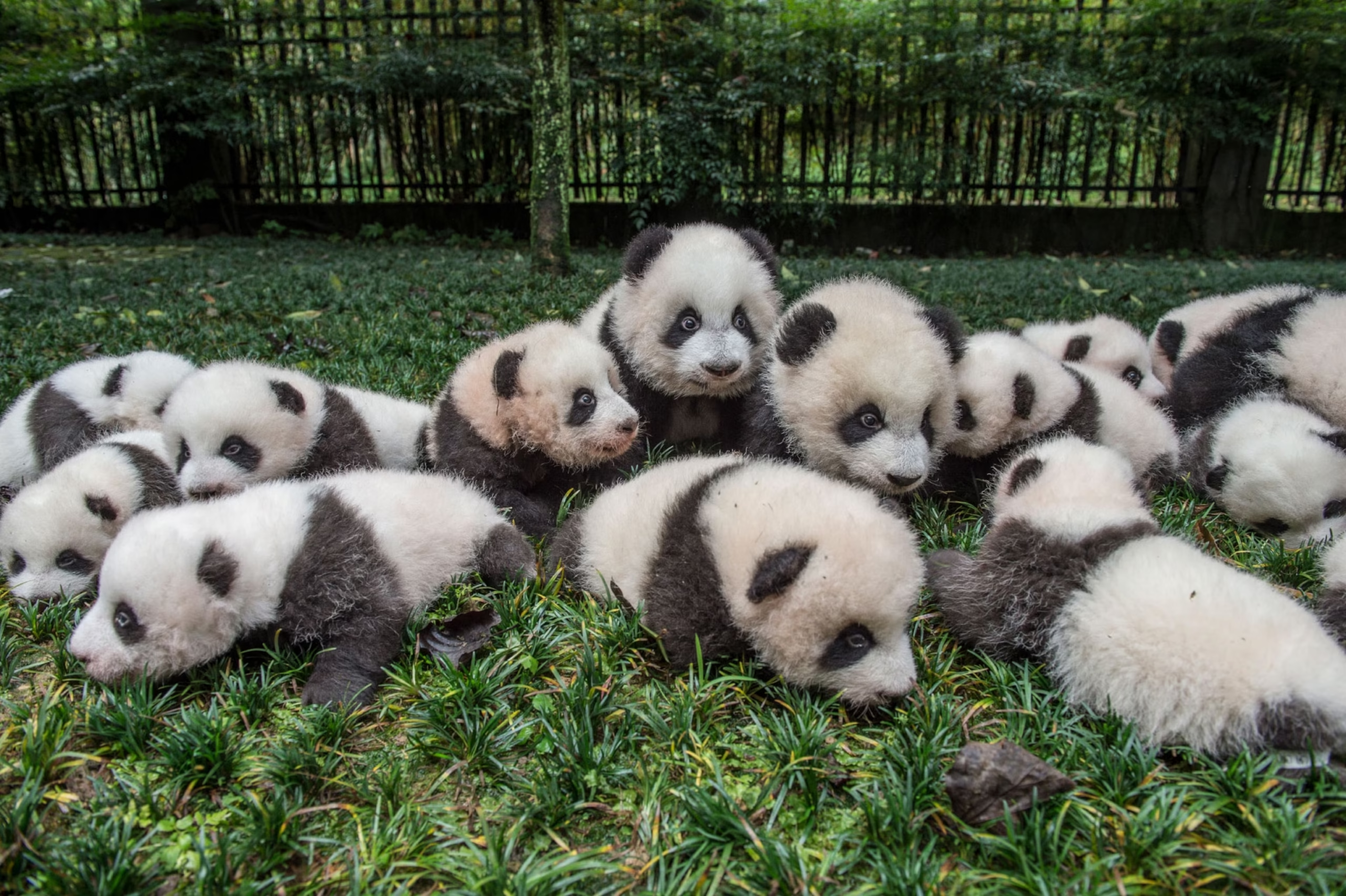
Giant panda cubs hit different—they’re not just animals; they’re nature’s comedians in black-and-white tuxedos. Born the size of a butter stick, weighing under four ounces, these pink, wrinkly newborns look like tiny aliens auditioning for a Disney role.
By two months, fluffy black spots emerge, turning them into tumbling fluff balls that trip over their own paws.
Their bamboo-munching habits add charm: adults devour 40 pounds daily, but cubs? They nap 20 hours, waking only to squeal or roll.
It’s this blend of vulnerability and vigor that hooks us, making every cam glimpse feel like peeking into a secret world.
Top Baby Panda Cams to Watch in 2025: Where to Tune In
Ready to dive in? 2025 brings upgraded streams with HD views and interactive chats. Start with the classics, but branch out—these navigational gems cover global hotspots.
The Smithsonian’s relaunch features Bao Li and Qing Bao, three-year-old siblings from China, frolicking in their revamped D.C. habitat. Live 7 a.m. to 7 p.m. ET, it’s free and mobile-optimized.
San Diego Zoo’s cam spotlights Xin Bao and Yun Chuan, with crisp feeds of climbing antics during daylight hours.
For international flair, Chengdu Research Base in China streams 24/7 via iPanda, showcasing herds of cubs in “Happiness Village.”
Explore.org’s Bifengxia feed adds four playful cubs like Zhichun, perfect for dawn-dusk activity.
Pro tip: Use apps like the LIVE PANDA CAM for multi-feed switching on your phone.
Quick Comparison: Best Panda Cams Side by Side
| Cam Location | Key Stars | Hours | Unique Perk | Best For |
|---|---|---|---|---|
| Smithsonian National Zoo | Bao Li & Qing Bao | 7am-7pm ET (live) | Snow play highlights | U.S. audiences, family viewing |
| San Diego Zoo | Xin Bao & Yun Chuan | Daylight PT | Climbing close-ups | West Coast, active antics |
| Chengdu iPanda | Rotating cubs | 24/7 | Massive panda groups | Non-stop action, global vibes |
| Explore.org Bifengxia | Zhichun & siblings | Continuous | Wild reserve feel | Nature immersion, education |
This table highlights why variety matters—pick based on your schedule for maximum delight.
Pros and Cons: Is a Panda Cam Habit Right for You?
Like any good thing, balance is key. Here’s a no-BS breakdown to help you decide.
Pros:
- Instant Mood Lift: Science says yes—quick endorphin boosts without leaving your couch.
- Educational Edge: Learn conservation facts mid-watch, sparking deeper interest.
- Social Glue: Share clips with friends for virtual hangouts that beat small talk.
- Free & Flexible: No subscriptions, just your browser or app.
Cons:
- Time Sink Risk: Easy to binge; set a timer to avoid the “just one more tumble” trap.
- Tech Glitches: Streams lag during peaks—patience required.
- Emotional Tug: Seeing habitat threats can stir eco-anxiety if you’re sensitive.
- Over-Reliance: It’s a tool, not therapy—pair with real-world walks.
Overall, the upsides win for most, especially if you’re easing into self-care.
Real Stories: How Panda Cams Pulled People Through the Blues
Let’s get personal—these aren’t hypotheticals; they’re echoes from folks like us. Take Cyndy Taylor, a lifelong panda fan from Virginia. As a kid, she’d trek to D.C. zoos; in 2020, the cam let her relive that magic from home, turning isolation into nostalgia-fueled hope.
Or Robin Wright, who chronicled Mei Xiang’s “miracle” birth amid lockdowns, calling it a beacon of resilience when odds were slim. “In a year of losses, this cub was pure win,” she wrote.
My own tale? That Seattle slump ended with Xiao Qi Ji’s handstands on cam—they inspired my first post-lockdown hike. Light humor here: nothing says “get moving” like a panda attempting yoga.
These snippets show cams as communal lifelines, weaving individual threads into a shared safety net.
Beyond Pandas: Other Animal Cams for Variety
Pandas steal the show, but diversify your feed for sustained joy. Penguins at Georgia Aquarium waddle through 3,000% traffic spikes like pros, hatching chicks that rival cub cuteness.
Bald eagles on Explore.org nest cams offer majestic drama, while jellyfish drifts at Monterey Bay soothe like liquid ASMR.
Red panda streams from Edmonton Valley Zoo capture fiery furballs emerging from nests—bonus for non-giant fans.
Mixing it up keeps the wonder fresh, turning your device into a portal for global wildlife.
People Also Ask: Answering Your Burning Panda Questions
Google’s “People Also Ask” pulls from real searches, so here’s the scoop on top curiosities tied to baby panda cams and pandemic relief. These snippets are optimized for quick answers, perfect for voice search or featured snippets.
What is a baby panda cam?
A baby panda cam is a live video stream from zoos or reserves showing newborn giant panda cubs and their moms in real-time. Launched widely in the 2000s, they peaked during the pandemic as free, accessible escapes—think Smithsonian’s feed crashing from overload in 2020.
How do panda cams help with pandemic blues?
They deliver “joyous news” amid uncertainty, like Mei Xiang’s 2020 cub birth that drew global viewers seeking emotional connection. Studies confirm the stress drop, making them a simple mood hack.
Where can I watch baby panda cams for free?
Top spots include Smithsonian National Zoo for U.S. action, San Diego Zoo for coastal climbs, and iPanda Chengdu for 24/7 Chinese streams—all gratis.
What are the best tools for watching panda cams on mobile?
Apps like LIVE PANDA CAM aggregate feeds with notifications for births; pair with YouTube for offline clips. For alerts, Explore.org’s site sends emails on cub updates.
Are there baby panda births happening now?
In 2025, watch for seasonal peaks July-September at Chengdu, where litters emerge. Qing Bao’s pseudopregnancy at Smithsonian hints at future excitement.
FAQ: Your Top Questions on Panda Cams and Well-Being
Got specifics? These cover common user queries from forums and searches, answered straight-up for clarity.
Q: Can watching panda cams really improve my mental health long-term?
A: Yes, but it’s about consistency. Short bursts build resilience, per Hiroshima studies, though pairing with therapy amplifies gains. Aim for 10-15 minutes daily.
Q: What’s the difference between giant and red panda cams?
A: Giants are the black-and-white icons on major zoo streams; reds are smaller, fox-like climbers best on niche feeds like Edmonton’s nest box. Both adorable, but giants edge for cub drama.
Q: How do I set up notifications for new baby panda births?
A: Sign up for Smithsonian or Explore.org alerts—they email on pregnancies. Apps like iPanda push real-time pings for Chengdu events.
Q: Are panda cams ethical—do they stress the animals?
A: Reputable ones like San Diego’s use non-invasive tech, per zoo guidelines. Cubs thrive under 24/7 monitoring that aids vets.
Q: What’s next for panda cams post-2025 updates?
A: Expect VR integrations for immersive views, per trends at Smithsonian’s habitat upgrades.
Wrapping Up: Make Panda Time Your New Normal
We’ve covered the why, the where, and the wow of baby panda cams—from their pandemic-powered rise to the brain science that makes them stick. Whether you’re a veteran viewer like me or a newbie dipping a toe, these streams remind us that small wonders pack big punches against the blues. Next time life feels heavy, fire up that cam. Watch a cub flop, feel the grin creep in, and let it snowball from there. You’ve got this—and so do they. What’s your first watch? Drop a comment; I’d love to swap favorites.